
Ask a group of Pune homebuyers what they want from their next apartment and the word “space” comes up almost immediately. Work-from-home routines, children who need a study corner and parents who visit for long stretches have changed how families judge a floor plan. In western Pune, that shift has pushed many buyers towards 2 BHK flats in Mahalunge and larger homes in the same area, where newer projects can offer more room than older, tightly packed localities.
Space, though, is more than a bigger number on a brochure. It includes how rooms are arranged, how much open ground surrounds the building, and whether daylight and fresh air reach the interiors. Each of these shapes how a home feels after the first year of living in it.
Why Has Space Become the First Question Homebuyers Ask?
Homes are doing more work than they used to. A bedroom may double as an office from Monday to Friday, the living room hosts online classes, and the balcony becomes the only outdoor spot many people use on a busy weekday. When a single room has to serve three purposes, even a few extra feet make a noticeable difference.
There is a longer-term reason too. Moving house is expensive and tiring, so buyers increasingly pick a home that can absorb changes over the next ten years instead of one that fits only their current situation. A layout with a spare room or a larger living area gives a family that flexibility without forcing a second purchase later.
What Should a Well-Planned 2 BHK Flat in Mahalunge Offer?
A 2 BHK works best when every square foot is usable. Look for a living and dining area that can hold a proper table, bedrooms that fit a wardrobe without blocking a window, and a kitchen with enough counter length for two people to cook together. Long corridors and awkward corners eat into carpet area without adding comfort.
Balconies deserve attention as well. A deep balcony that can take a couple of chairs adds real living space during Pune’s pleasant winter months, while a narrow ledge adds little. For young couples and small families, a sensibly planned 2 BHK in a large community can feel more spacious than a bigger flat in a cramped building with no open ground.
When Does a 3 BHK in Mahalunge Make More Sense?
The third bedroom usually earns its place in one of three ways: as a dedicated home office, as a room for a child, or as a guest room for parents who stay for weeks at a time. If two or more of these needs apply to your household, a 3 BHK in Mahalunge is likely to save you a move in a few years.
Families who already have children often go straight to 3 BHK flats in Mahalunge because the area combines proximity to Hinjewadi, Baner and Balewadi with schools and daily services in neighbouring localities. The extra room also helps with storage, which quietly becomes a problem in smaller homes as children grow and belongings pile up.
Who Is Choosing a 4 BHK in Mahalunge, and Why?
Larger homes attract a specific group of buyers. Senior professionals upgrading from an older flat, joint families living under one roof and households where both partners work from home are the most common. For them, a 4 BHK in Mahalunge offers something rare in established parts of Pune: a large apartment inside a modern community, rather than in an older building where the only shared space is the lift lobby.
The decision still needs care. A bigger home means higher maintenance, more cleaning and higher furnishing costs. Buyers should picture how each room will actually be used, so the fourth bedroom does not end up as an expensive storeroom. It also helps to check whether the bedrooms are spread across the floor plan, since separation gives older parents, teenagers and working adults a degree of privacy that a single long corridor rarely provides.
How Much Does Open Space Around the Building Matter?
Space inside the apartment is only half of the picture. The open space ratio, meaning how much of a site is left as gardens, lawns, courts and walkways, decides whether children have somewhere to play and adults have somewhere to walk without leaving the gate. Two projects with identical flat sizes can feel completely different if one is surrounded by greenery and the other by parking.
Open ground also affects air movement and noise. Towers set further apart let breezes pass between them and reduce the feeling of living in a neighbour’s line of sight. In Mahalunge, where developers can still assemble larger land parcels, buyers have a better chance of finding communities with generous open areas than in older central suburbs.
Why Do Light, Ventilation and Views Count as Space?
A room with a large window and a long view feels bigger than a room of the same size facing a wall. Natural light makes interiors appear more open, and cross-ventilation keeps them cooler during Pune’s hot months, reducing the need for constant air conditioning. Good orientation also helps dry the home faster after heavy monsoon days, which limits damp and mould.
Views carry their own value. Overlooking a river, hills or a stretch of greenery gives the eye somewhere to rest, and that sense of openness is something many buyers cannot find in denser parts of the city. When you visit a project, stand at the window of the actual unit type you are considering, at the floor level on offer, and check what you will see in ten years once neighbouring plots are built.
How Mahindra Rivenza Approaches Space for 2, 3 and 4 BHK Buyers
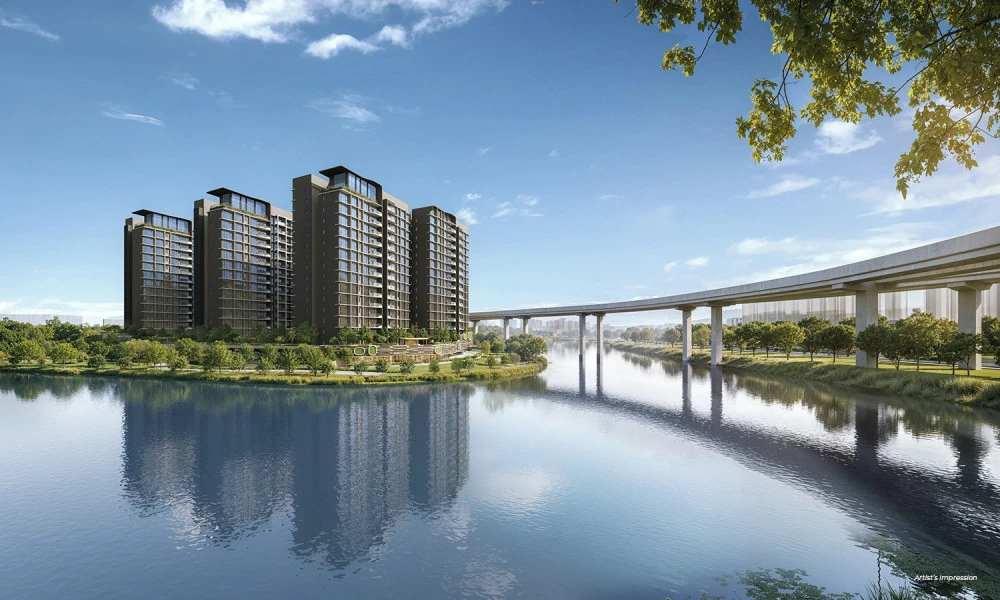
Mahindra Rivenza applies these ideas at a large scale, offering 2, 3 and 4 BHK homes across around 13.46 acres in Baner Annex, with more than 9 acres set aside as green spaces. Mahindra Lifespaces has designed the homes to be well-lit, ventilated and climate responsive, with views of the river, hills and greens, while over 2.65 lakh sq ft of amenity space, including two clubhouses totalling more than 44,000 sq ft, extends living beyond the apartment. For buyers who want room to grow without moving far from Hinjewadi, Baner and Balewadi, Mahindra Rivenza offers a spacious and thoughtfully planned option in Mahalunge.

Femke Denis is a technology writer specializing in smart home innovation, automation systems, and connected devices. She focuses on how emerging technologies are transforming modern homes into more efficient, secure, and intelligent living spaces.
