
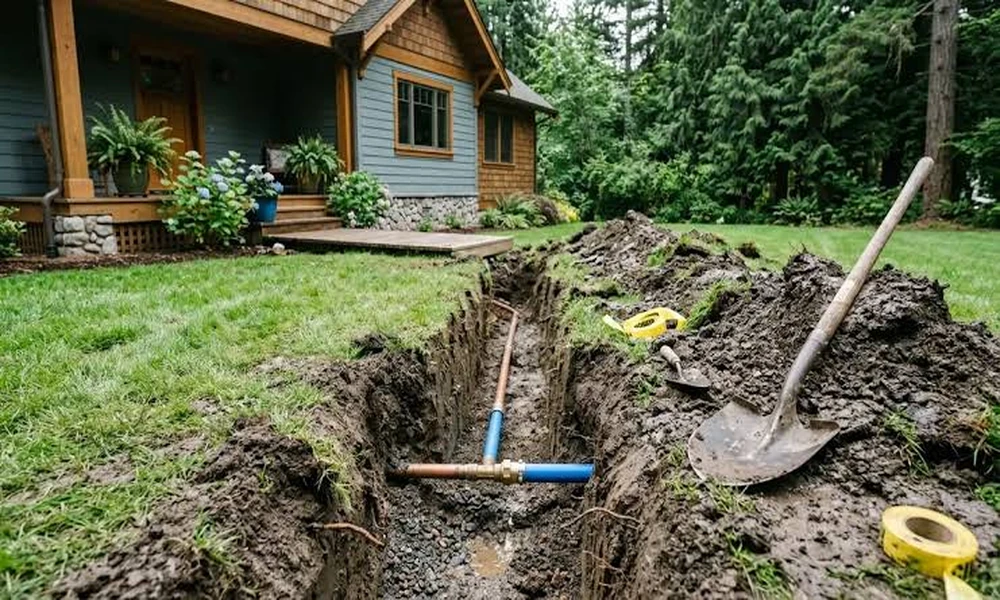
There is no argument that the Sunshine State is the most flood-prone state in the whole of the USA. Florida faces some of the most frequent and expensive flood events the nation sees every year. No wonder, in any AEC project, licensed PEs start with the waterline system.
The Context
In every flood zone Florida project, a condenser pad meets a flood map. The state’s code settles that meeting with one number, the design flood elevation, and more importantly, it reaches HVAC and plumbing as much as floors and foundations. Every licensed PE in Florida who can seal mechanical or plumbing sheets for such an area works with it. Here, we uncover where the number comes from, what equipment must clear it, and how reviewers check.
How the Design Flood Elevation Is Set
The base flood is the flood with a 1% chance of being equaled or exceeded in a specific year. What the design flood elevation does is take that flood, wave height included, and reference it to the datum on the community’s flood map. Regional authorities adopt that map by ordinance, and at least it covers the special flood hazard areas that FEMA identifies.
A flood hazard is the greater of the 1% floodplain and the mapped area. When there is no design flood elevation, the building official may ask the applicant to determine one through accepted hydrologic and hydraulic engineering practices. The site plan submitted with the permit application ought to show flood hazard areas and design flood elevation as applicable. This facilitates a licensed PE in Florida with one sheet to check before sizing anything.
What the Equipment Has to Clear
Residential provisions in the 8th Edition of the Florida Building Code are very straightforward. Electrical systems, heating, ventilating, and air conditioning equipment, plumbing fixtures, duct systems, and other service equipment have to be placed at or above the required elevation. The 8th Edition changes brought two additional items. Exterior equipment damaged by flood needs to satisfy that rule when replaced, and permanently installed standby generators now follow it as well.
Equipment may be positioned lower only when designed to keep water out and to withstand hydrostatic and hydrodynamic loads, buoyancy included, in line with ASCE 24. An HVAC design company also watches combustion air openings, which should attain the required elevation too. Nursing homes and hospitals go further, with new facilities elevated to the base flood elevation plus 2 ft or the Category 3 surge height, whichever is higher.
Plumbing and the Double Duty
Plumbing mainly has two jobs in flood hazard areas. New and replacement water supply systems should be designed in a way that minimizes or eliminates infiltration of flood water. The same needs to be followed in the case of sanitary sewage systems, and they must also keep discharges from reaching the flood water. Waste, drainage, and vent systems follow that logic, and plumbing vents have to sit at or above the specified elevation.
A plumbing engineering design company examines fixtures, drains, and appliances relative to the same section that regulates HVAC. Fuel gas installations abide by the same location rule, with an exception for designs that keep water out. Concerning coastal high-hazard areas and Coastal A Zones, plumbing components cannot be mounted on or penetrate walls designed to break away. Therefore, a licensed PE in Florida who routes risers on a coastal project should plan around that wall rule.
What Reviewers Look For
Affidavits are of immense value in Florida permitting, and an engineer who signs one assumes responsibility for conformance to the technical codes. Flood rules sit outside that shortcut, and one can expect building officials of the state to review them directly. The 8th Edition lays out the checkpoints below for review and inspection that you can confirm with a licensed PE in Florida:
- Plan review criteria itemize the design flood elevation for MEP and gas work
- Affidavit permits never extend to flood load and flood resistance requirements
- Flood hazard documentation gets sealed by a licensed surveyor and mapper or a registered design professional
- Final inspection in flood hazard areas mandates certification of the lowest flood elevation
- Substantial improvement means a cost of % or more of the structure’s market value
- Substantial improvement brings the work under flood-resistant design specifications
Mind the Waterline
Flood rules reach plumbing and HVAC through plain text in the 8th Edition, and ASCE backs them up. The first step involves reading the elevation, followed by placing equipment, and finally detailing pipes. With the 9th Edition coming into effect on the 31st of December 2026, a licensed PE in Florida should be mindful of rechecking each section against the new text before filing.
