
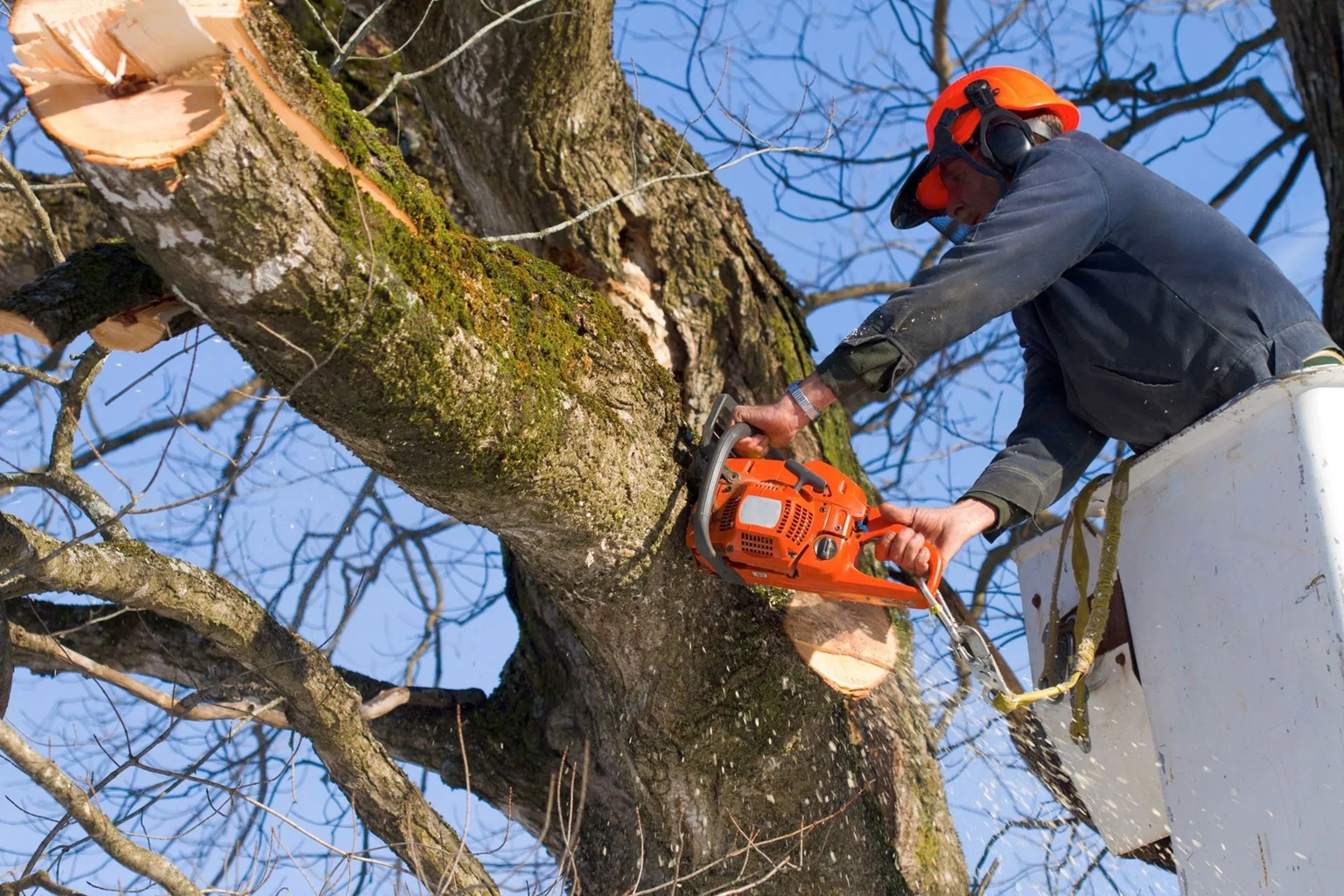
Tree cutting is one of those tasks that looks deceptively straightforward until you are standing beneath a forty-foot canopy wondering exactly how things might go wrong. Like many human interactions with the natural world, the decision to remove a tree carries consequences that ripple outward far beyond the moment of the cut itself.
Why Trees Are Removed in the First Place
Humans have been felling trees since before written history, yet the reasons we do so today are remarkably consistent with those of our ancestors: safety, space, and survival. In modern urban environments, however, the calculus has grown considerably more complex.
Trees become candidates for removal when they pose genuine structural risks. A mature tree with a compromised root system, hollowed trunk, or significant lean toward a structure is not merely inconvenient. It is a physical hazard capable of catastrophic damage. Storms, in particular, expose these weaknesses ruthlessly.
Disease and pest infestation are equally compelling reasons. A tree suffering from fungal rot or termite colonisation rarely recovers fully, and allowing it to remain standing can accelerate the spread of damage to neighbouring trees and structures alike.
Then there is the question of space. Urban development, utility lines, and drainage infrastructure regularly come into conflict with established root systems. In these situations, tree removal becomes less a choice and more a practical necessity.
Singapore’s Approach to Tree Management
Singapore offers a particularly instructive case study. The city-state has developed one of the most sophisticated urban forestry frameworks in the world, managing over two million trees across its road network, parks, and nature reserves. The National Parks Board (NParks) maintains a rigorous system for assessing trees, with regular inspections and a tiered risk classification model that informs when tree cutting or pruning is warranted.
Under Singapore’s regulations, heritage trees, which number over 280 specimens across the island, are afforded special protection. Any work near these trees requires prior approval, reflecting a broader national philosophy that treats mature trees as irreplaceable civic assets rather than liabilities.
This regulatory discipline is worth noting for anyone managing trees in a dense urban context. The instinct to remove first and assess later is precisely the kind of thinking that Singapore’s framework is designed to prevent.
Recognising When a Tree Needs to Come Down
Not every concern requires full removal. Understanding the difference between a tree that needs pruning and one that genuinely needs to be felled is the first practical skill in responsible tree management.
Signs that full removal may be necessary include:
- A trunk with visible cavities or extensive internal decay
- Roots visibly lifting pavements, foundations, or drainage systems
- A lean greater than 15 degrees from vertical, particularly toward structures
- Bark that is deeply cracked, missing in large sections, or weeping sap
- Dead limbs constituting more than half of the canopy
- Evidence of termites, wood-boring beetles, or advanced fungal growth at the base
If in doubt, a qualified arborist should assess the tree before any decision is made. Removing a healthy tree unnecessarily is both an ecological and, in many jurisdictions, a legal misstep.
Key Safety Considerations for Tree Cutting
Assess Before You Act
The single most common error in amateur tree felling is inadequate assessment. Before a single cut is made, the surrounding area must be evaluated. This means identifying the natural lean of the tree, the location of overhead power lines, the proximity of structures, and the likely fall zone in all directions.
Wind direction on the day of the work matters enormously. A tree that appears to lean safely away from a building can behave unpredictably when a gust arrives mid-cut.
Use the Right Equipment
Proper tree cutting requires more than a chainsaw and confidence. Personal protective equipment, including a helmet with a face shield, cut-resistant trousers, steel-capped boots, and gloves, is not optional. It is the baseline.
The equipment must also be appropriate for the scale of the work. A domestic chainsaw suitable for trimming branches is not designed for the trunk of a mature hardwood. Matching the tool to the task prevents equipment failure at the worst possible moment.
Plan Your Escape Route
This is the detail that separates experienced operators from beginners. Before making the final cut, two clear escape routes should be identified, positioned at roughly 45 degrees behind and to the sides of the intended fall direction. When a tree begins to move, it moves quickly, and hesitation is dangerous.
Know Your Limits
Large trees, those near power lines, or those in confined urban spaces should almost always be handled by a professional arborist or licensed tree removal contractor. The cost of professional work is modest compared to the cost of a damaged structure or a medical emergency.
In Singapore, any removal of a tree with a girth exceeding one metre at 1.3 metres above ground on certain land categories requires approval from NParks, making professional engagement not just advisable but legally necessary.
Thinking About What Comes After
Removing a tree changes a landscape in ways that persist for decades. The loss of canopy affects shade, drainage, soil stability, and local biodiversity. Wherever possible, replanting with a species suited to the site should follow tree cutting as a matter of principle, not afterthought.
