
Introduction
Sprinklers are the part of a building’s fire protection that fights a fire without anyone present. When they are switched off for repairs or by a failure, the first few minutes of a blaze are no longer controlled automatically. A patrol by a trained guard is how that risk is managed in the meantime. Here is how the process normally runs, from the moment the water is shut off to the moment it is back.
When automatic suppression goes offline, property managers must immediately implement compensatory safety measures to minimize operational risks and meet stringent fire code requirements. Hiring certified Fire Watch Guards provides the continuous human observation needed to identify early hazard indicators, such as smoke or unusual heat signatures, that sprinklers would normally manage automatically. This proactive security layer ensures swift evacuation and emergency response while technicians work to restore the building’s primary fire suppression systems.
Before the Water Is Shut Off
A planned outage should not be a surprise. Good practice, set out in standards such as NFPA 25, is to name someone responsible for impairments, tag the affected valves, tell the fire department and the insurer, and arrange temporary protection. The fire watch is scheduled before work begins, so the first patrol starts as soon as the sprinklers go offline and not hours later. Notifying the insurer is often overlooked, although many policies require it when sprinklers are out for more than a short time.
Where the Patrols Concentrate
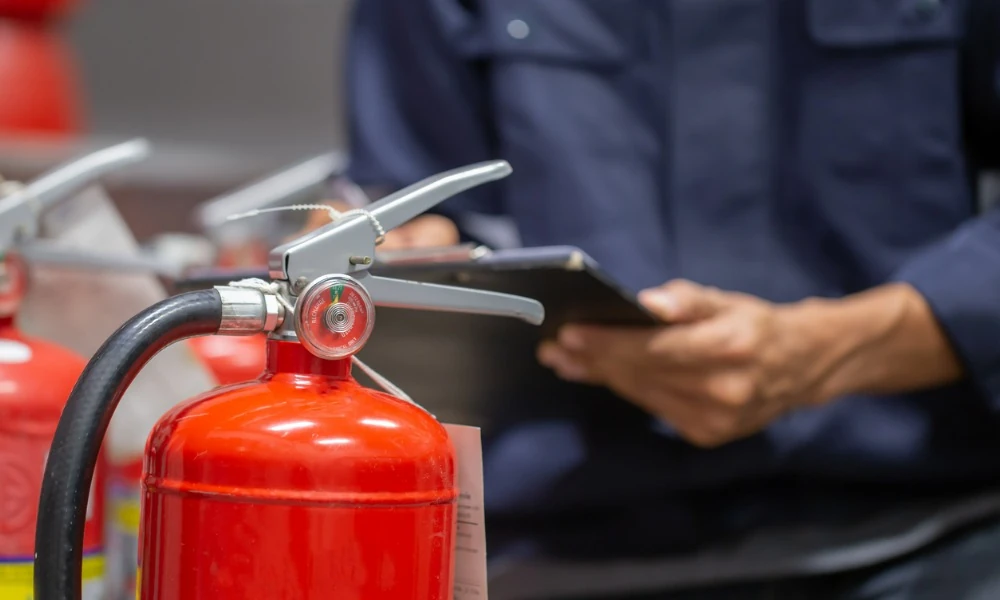
Guards give extra attention to the zones that lost their coverage, walking them at regular intervals. They look at storage areas, kitchens, mechanical rooms, electrical panels and anywhere heat or sparks might exist. They also check that extinguishers are mounted and charged, that fire doors close and that aisles and stairs are clear. A guard should know where the shut-off valve and the fire department connection are. The guard should also carry a flashlight and a radio, because power can be shut off in the same area during repairs.
Handling an Emergency During the Outage
If a guard finds smoke or fire, the response is immediate. They set off the alarm if one is working, warn occupants, call the fire department and say clearly that the sprinklers are out of service, since that information changes how responders plan. Guards do not attempt to restore a system or fight a growing fire, and they leave the area when conditions become unsafe. Reporting the outage clearly also helps responders decide how many trucks to send and where to stage them.
Ending the Watch Properly
A watch should only stop once the system is confirmed working again, usually after the contractor finishes and the valves are reopened and checked. The guard records the end time, the building owner removes the impairment tags and the fire department and insurer are told that protection has resumed. Keep the complete log on file, in case anyone asks for it. Close calls are worth recording too, since a pattern of near misses can show where extra attention is needed.
Conclusion
During a sprinkler outage, patrols give a building the human attention that its automatic protection normally supplies. Planning ahead, focusing on the unprotected zones, acting fast in an emergency and closing out the impairment correctly all help keep the outage from becoming a loss.
