
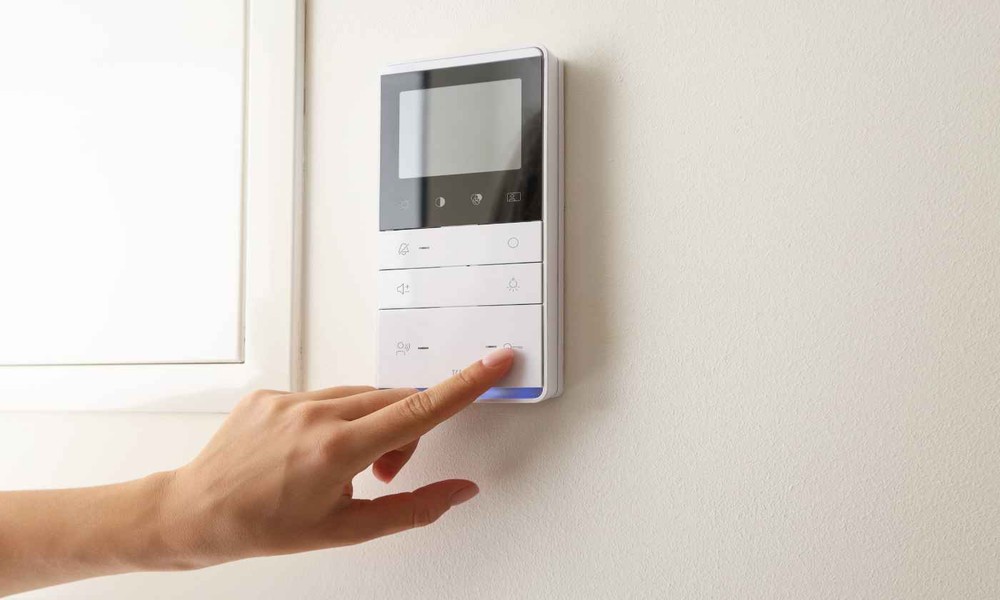
Home heating technology has advanced dramatically in recent years, yet many households continue relying on outdated systems that waste energy while failing to deliver consistent comfort. Smart heating systems integrate modern controls, learning capabilities and connectivity features that transform how homes maintain temperature. Understanding these benefits helps homeowners evaluate whether upgrading makes sense for their situations.
The shift from basic thermostats to intelligent heating management represents more than incremental improvement. These systems fundamentally change the relationship between homeowners and their heating equipment, delivering comfort, convenience and savings that older technology simply cannot provide.
Reducing Energy Consumption
Smart heating systems excel at minimizing wasted energy through intelligent operation that manual controls cannot match. Learning thermostats observe household patterns and adjust heating schedules automatically, reducing output when homes are empty and restoring comfort before occupants return.
Occupancy detection features take efficiency further by recognizing when scheduled heating proves unnecessary. If family members leave earlier than usual or return later than expected, smart systems respond appropriately rather than heating empty spaces according to rigid schedules. This responsiveness eliminates waste that programmed thermostats cannot avoid.
Zone control capabilities direct heating where needed rather than conditioning entire homes uniformly. Rooms used intensively receive more attention while seldom-occupied spaces maintain minimum temperatures. This targeted approach reduces overall energy consumption while improving comfort in areas that matter most.
Achieving Consistent Comfort
Temperature swings frustrate homeowners accustomed to traditional heating systems that cycle between too warm and too cold. Smart systems monitor conditions continuously and make subtle adjustments that maintain steady temperatures without the fluctuations older equipment produces.
Multiple sensors throughout homes enable more accurate temperature management than single-point measurement allows. Rather than relying solely on readings near the thermostat, smart systems consider conditions across living spaces. This comprehensive awareness produces comfort that feels more consistent throughout homes.
Adaptive algorithms learn how quickly homes heat under different conditions and begin cycles early enough to reach target temperatures precisely when needed. The anticipatory operation eliminates the delay between thermostat activation and actual comfort that frustrates users of conventional systems.
Enabling Remote Access and Control
Connectivity transforms heating management from a household-bound activity into something controllable from anywhere. Smartphone applications allow homeowners to monitor temperatures, adjust settings and receive alerts regardless of location. This capability proves particularly valuable for those with unpredictable schedules or frequent travel.
Unexpected schedule changes no longer require choosing between returning to cold homes or heating empty spaces all day. Remote adjustment ensures comfortable arrival without wasteful conditioning during extended absences. The flexibility accommodates modern lifestyles that rigid programming cannot serve effectively.
Choosing companies like Steele Brothers Heating Inc. ensures smart system installations integrate properly with existing equipment while delivering full functionality. Professional installation and configuration maximize the benefits these sophisticated systems can provide, preventing the frustration that improper setup creates.
Providing Actionable Energy Insights
Smart heating systems generate usage data that helps homeowners understand their consumption patterns. Detailed reports reveal when energy use peaks, how weather affects heating demands and whether efficiency improvements are producing expected results. This visibility enables informed decisions about conservation efforts.
Historical comparisons show how current usage relates to previous periods, revealing trends that might otherwise go unnoticed. Homeowners can identify when consumption increases unexpectedly and investigate potential causes before problems escalate. This early warning capability helps catch developing issues before they become expensive.
Some systems provide personalized recommendations based on observed patterns, suggesting schedule adjustments or behavioral changes that could reduce consumption. These actionable insights help homeowners optimize their heating operation without requiring deep technical knowledge.
Integrating With Smart Home Ecosystems
Modern smart heating systems connect with broader home automation platforms, enabling coordinated operation with other smart devices. Lighting, security, entertainment and climate systems can work together based on unified schedules, presence detection and user preferences.
Voice control through popular digital assistants allows hands-free temperature adjustment that proves particularly convenient during daily routines. Simple commands replace navigation through menus or manual adjustments, making heating control effortless and immediate.
Automation routines can coordinate heating with other activities automatically. Systems that recognize bedtime routines might adjust temperatures for sleeping comfort while also dimming lights and locking doors. This integration creates seamless experiences that isolated systems cannot deliver.
Planning for Professional Installation
Smart heating systems deliver maximum benefit when properly sized, installed and configured for specific homes. Equipment selection must account for home characteristics, climate conditions and existing infrastructure. Professional assessment ensures appropriate system recommendations.
Integration with existing heating equipment requires expertise that casual installation may lack. Heat pumps, furnaces, boilers and hybrid systems all present different compatibility considerations. Qualified technicians understand these distinctions and configure smart controls appropriately.
Ongoing support and maintenance keep smart systems functioning optimally throughout their service lives. Firmware updates, calibration adjustments and troubleshooting require access to professional resources. Establishing relationships with qualified contractors ensures help remains available when needed.
The investment in smart heating technology pays dividends through reduced energy costs, improved comfort and convenient control that enhance daily life. Homeowners who upgrade discover benefits that make returning to conventional heating feel like a significant step backwards.
