
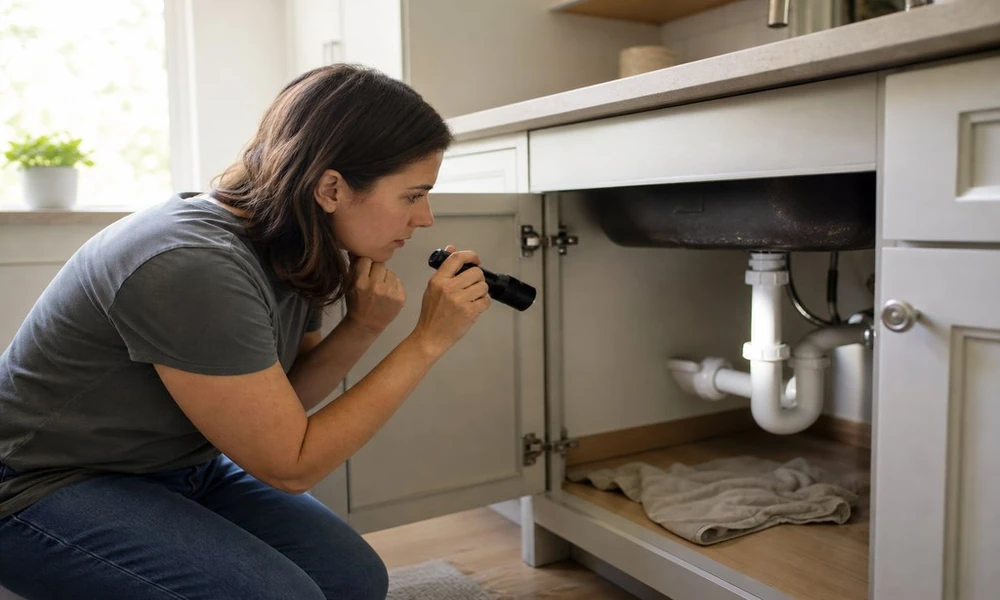
Sometimes, plumbing problems can be fixed by taking a good look around and grabbing a tool from your toolbox. Other times, if ignored, they can lead to extensive water damage to floors, walls, fixtures, pipes and more. Figuring out which is which can help you get the help you need in a timely fashion, and avoid stressing out or putting yourself in harm’s way for naught.
Start with the Water Supply
Water leaks, whether from faucets, toilets, appliances or pipes, should be shut off at the source if possible (there may be a shutoff valve under the sink or behind the toilet). If not, turn off the main shutoff valve to your home. Then take a look around to try and determine the source of the problem. Loose fittings, deteriorating washers and dripping valves are easy to spot. In other cases, however, water can travel quite a distance before it drips into your ceiling or trickles down onto your floor, so finding the source of the problem can be more challenging.
Call for professional help if:
- You see water forming around your toilet, water heater, pipes or other connections
- Walls, ceilings or floors look or feel discolored, wet or spongy
- Your water pressure suddenly decreases
- You have a cracked, frozen or burst pipe
- You are unable to stop the leak using a shutoff valve located nearby
As a rule of thumb, if a leak seems to be getting substantially worse after about 15 minutes, it’s best to consider calling for emergency service rather than hoping for the best.
When Drains Start Talking Back
If just one drain is backed up or draining slowly, there’s a chance that the problem is being caused by build-up (think: hair, grease, soap scum, etc.) near the drain and not within the plumbing itself. If the drain opens up with minimal intervention, you may not have anything to worry about.
However, if multiple drains (in the bathroom, for example) are draining slowly, or if you hear gurgling noises coming from your drains, notice sewage smells wafting from them or see water trickling out of them when you flush your toilet, there’s a good chance that there’s a clog in your drain line and that plunging won’t fix the problem.
Repeatedly using chemical drain openers on stubborn clogs is not recommended either, because not only are they often ineffective against more serious clogs, but they may also raise additional concerns with respect to the integrity of your drain pipes and/or plumber safety if you ultimately do call one out to clear the clog.
When a Toilet Problem Is an Emergency
If your toilet overflows or keeps refilling, rocks back and forth on its base or leaks sewage onto your bathroom floor, it’s time to call for professional help. Sewage contains potentially harmful contaminants, an issue discussed at www.unep.org/resources/report/wastewater-turning-problem-solution, and moisture around the base of your toilet may indicate a leaking gasket or another plumbing issue that you can’t see.
Similarly, if water trickles into your shower or tub when you flush your toilet, there’s a good chance that there’s a blockage somewhere further down your plumbing system. Avoid using any of the fixtures connected to that drain until you’re able to call a plumber out to diagnose the problem; otherwise, you risk potentially pushing water back up into your home.
Can you reach the shutoff valve and stop the flow without standing in contaminated water?
What’s Happening Behind Walls and Floors
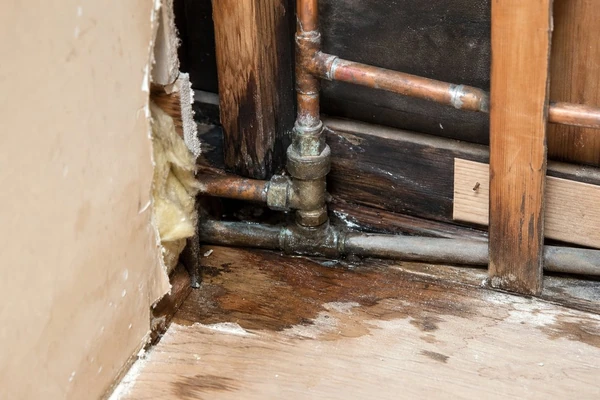
Water problems don’t always make themselves immediately obvious. If you notice a spike in your water bill, see warped wood floors or peeling paint, hear water running when you know that all of your faucets and appliances are turned off, or detect a musty smell, you may have a leak somewhere in your home. Bird Dog Plumbing can help locate concealed household leaks and identify their source.
It’s important to get these problems addressed as soon as possible since leaking pipes can cause structural damage before they ever make themselves obvious. Your plumber will most likely need to investigate water-using appliances, your drain pipes, water supply lines and plumbing fixture connections to figure out where the leak is coming from.
Repairs You’re Better Off Leaving Alone
- Your water heater and/or its connections
- Your home’s main shutoff valve
- Your main drain or sewer line
- Pipes running through your crawl space, behind walls or inside ceilings
- Recurring plumbing problems (backups, leaks, etc.)
- Installing new fixtures that will require plumbing alterations
Call Before the Damage Spreads
Calling in the professionals doesn’t necessarily mean that your plumbing issue is an emergency. It just means that you want to take care of the problem before it results in water-damaged drywall, flooring and/or personal property. Jot down when the problem began, which fixtures are affected and whether or not water is still seeping.
If you discover an active leak, shut off the water using the closest accessible valve and move any belongings away from the affected area before you schedule a plumber’s visit.
