
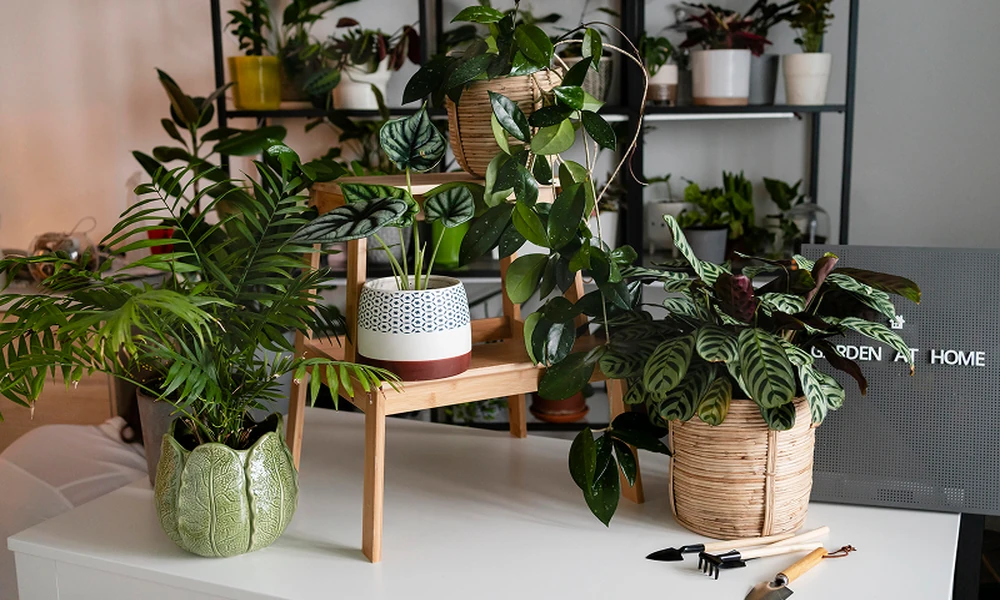
Plants have an established place in feng shui because living vegetation is associated with the wood element. Within traditional feng shui practice, factors such as a plant’s shape, growth direction, condition and placement may be considered when assessing how it relates to a space.
Leaf and growth forms are commonly given different symbolic interpretations. Rounded foliage tends to be associated with gentler qualities, while strong upward growth can suggest development and vitality. These ideas can provide context when choosing feng shui plants in Singapore, although practical factors such as available space, light and plant health also remain important.
What Do Rounded Leaves Represent in Feng Shui?
Plants with rounded or oval leaves are generally associated with softer forms in feng shui. Their lack of sharp angles means they are often used where a gentler visual effect is preferred.
Rounded leaves may be symbolically linked with harmony, completeness and positive energy. Some commonly cultivated houseplants have naturally rounded or oval foliage, making this form relatively easy to incorporate into an interior.
When selecting rounded-leaf plants, practical growing requirements should still determine whether a particular species suits the intended position. Important considerations include:
- The amount of natural light reaching the location
- Available floor, shelf or tabletop space
- Humidity and ventilation
- The plant’s mature size
- Watering and drainage requirements
This is particularly relevant when choosing indoor plants in the city-state, where warm and humid conditions may suit some species better than others. Overall, rounded foliage is generally interpreted as a softer plant form within feng shui.
What Do Upright and Pointed Plant Shapes Represent in Feng Shui?
Upright plants draw the eye upwards and are commonly associated with growth and development. This interpretation reflects the natural upward growth of healthy vegetation towards light.
Plants with narrow or pointed leaves are treated somewhat differently. In feng shui, sharp forms may be considered more visually active than rounded ones. As a result, placement may receive greater attention, particularly where pointed leaves project into frequently used areas.
When incorporating upright or pointed plants, several practical considerations can complement traditional feng shui ideas:
- Upright forms can make use of vertical space in smaller rooms.
- Narrow plants may fit beside furniture without taking up substantial floor area.
- Sharp or rigid leaves should not obstruct walkways.
- Mature height should be considered before positioning a plant beneath shelves or fittings.
That said, for people considering feng shui plants, upright varieties can therefore combine symbolic associations with efficient use of limited space. In summary, upward forms are commonly connected with growth, while pointed shapes are generally treated with more care in their positioning.
What Do Trailing and Cascading Plants Represent in Feng Shui?
Trailing plants grow downwards or spread across surfaces rather than remaining primarily upright. Their flowing shape creates a different visual direction from plants with vertical growth.
Within feng shui practice, cascading growth may be interpreted in relation to the movement and direction of energy within a room. Rather than judging a trailing plant solely by symbolism, its position and condition are also relevant.
Practical placement is especially important. Trailing stems should not obstruct doors, working surfaces or commonly used pathways. They also need sufficient light at shelf or hanging height to maintain healthy growth.
That said, for indoor plants in Singapore, trailing species can be useful where floor space is limited, provided their environmental requirements are met. In short, cascading forms introduce downward movement, making their placement an important part of both feng shui interpretation and practical interior planning.
What Do Large, Broad Leaves Represent in Feng Shui?
Large, broad leaves create a fuller and more substantial plant form. In feng shui, broad foliage is often associated with expansive growth and a softer presence because the leaves generally have fewer pronounced sharp edges.
The scale of these plants also affects how they interact with a room. A broad-leaf plant may become a significant visual feature, so its mature dimensions should be considered before choosing a location.
Suitable placement depends on factors such as:
- Floor area and ceiling height
- Distance from doors and walkways
- Access to natural light
- Air circulation around the foliage
- Space required as the plant matures
Large plants that are healthy and proportionate to their surroundings can contribute greenery without restricting movement. Broad leaves are therefore commonly interpreted positively in feng shui, but plant size, condition and practical suitability remain important considerations.
Partner with D’Spring to bring better balance into your space.
