
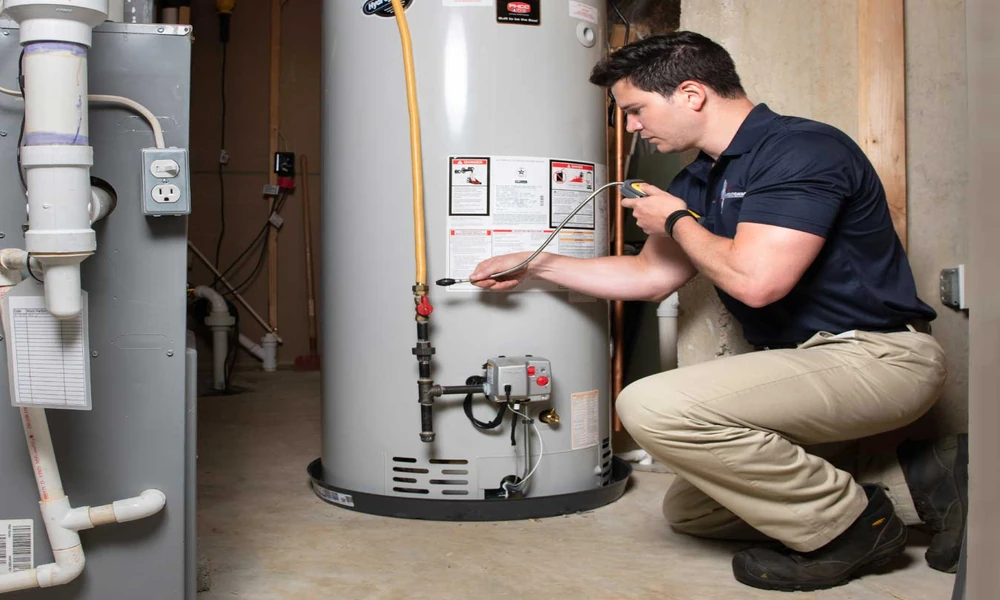
When you decide to install a new electric water heater, you should know that the process is not a decision most homeowners decide to make often. The facts are that many people think about their water heaters when they run out of the water or when the severe leak starts.
However, choosing the right electric water heater installation is much more than replacing outdated appliances. It is about finding more about your home’s needs, installment requirements, energy efficiency goals and long-term expenses. You should check here to learn more about energy efficiency.
A properly installed electric water heater can provide you with reliable hot water for years while ensuring the utility expenses are under control. On the other hand, choosing the lousy system or finding inexperienced installer can lead to lousy performance, high-energy bills and potential repairs. Before investing in a new system, you should understand a few things.
Understand Your Needs
Every single home uses hot water following different manners. For instance, small apartment occupied by one or two people has different requirements than a large household with multiple family members and bathrooms.
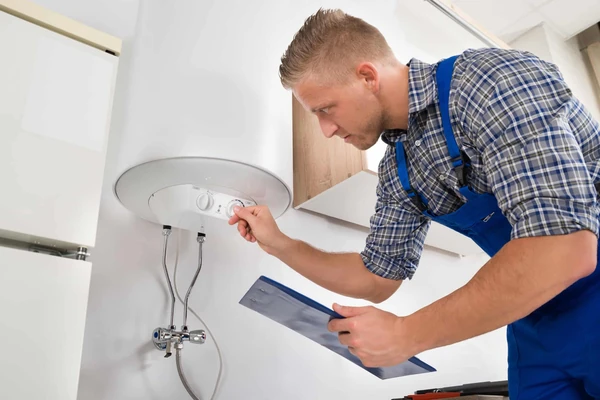
Before choosing the right water heater, we recommend you to consider the number of people living in your home, laundry frequency, daily bathing and shower habits, dishwasher usage, and peak hot water demand.
Choosing a unit that is too small may lead to frequent shortages of hot water. On the other hand, when you install a system that is larger than you need, you will increase overall operating expenses and energy consumption. Understanding your household’s usage patterns is the first step towards making an informed decision.
Choose the Right Size
If you choose traditional electric water heater, you can choose the one with a tank. However, the size of a tank can specifically affect the amount of hot water. Common tank sizes include:
- Thirty-gallon for small households
- Forty to fifty-gallon units for average households
- Sixty to eighty-gallon systems for people who have large homes and families
The perfect size depends on your family’s daily routines. If a few people shower back-to-back in the morning, a significant tank can be necessary to meet your demands. You should know a few things about Electric Water Heater Installation, which will help you with the process.
A professional installer can help you calculate the proper size based on the household’s specific requirements.
Consider Tankless Water Heater
On the other hand, you can choose tankless technology, which unlike traditional options; they will heat water only when you need it. Some advantages include lower energy consumption, continuous hot water supply, longer life expectancy, space-saving design, and reduced standby heat loss.
However, tankless systems may require electrical upgrades depending on the home’s existing power capacity and wiring. Understanding these requirements before installation can help you prevent unexpected expenses.
Energy Efficiency
One of the most important considerations when choosing an electric water heater is energy efficiency. Modern units can easily consume less electricity while offering you reliable performance. High efficiency models come with improved insulation, smart temperature controls, advanced heating elements and energy-saving operating modes.
Although highly efficient units may come with higher price tag in advance, they will help you reduce utility bills over time. A water heater is a long-term investment instead of simple appliance you buy for your household.
Evaluate Installation
The location of a water heater is essential and plays a crucial role in determining which model is perfect for your specific needs. Before installation, you should consider available floor space, ventilation requirements, ceiling heights, drainage options, and accessibility for maintenance.
One of the benefits of electric water heaters is that they require less installation space than gas systems. Tankless units, specifically, can be mounted on walls, meaning they are perfect for homes with limited space.
Proper placement can improve overall efficiency and help you simplify potential maintenance that can happen.
Check Your System
If you have an electric water heater, as the name suggests, it relies on your electrical infrastructure. Before installation, it is essential to ensure the electrical panel can safely support your unit. Outdated homes may require new wiring, circuit upgrades, additional breakers, electrical panel modifications, and other factors.
Failing to deal with them can lead to performance issues and potential safety risks that may happen. A qualified installer can evaluate your overall system before starting the installation.
Long-Term Goals
The initial purchase price is one part of the overall investment. Household owners should consider monthly energy expenses, maintenance costs, expected lifespan, potential repairs, warranty coverage, and many more. Visit this link: https://www.dailymotion.com/video/x7vo3q4 to understand everything about the process.
A slightly more expensive yet energy-efficient model can help you save thousands of dollars throughout its lifetime. We recommend you to look beyond the purchase price, which will help you ensure better long-term value.
That way, you can prevent potential expenses and improve overall durability of unit you decide to purchase.

Femke Denis is a technology writer specializing in smart home innovation, automation systems, and connected devices. She focuses on how emerging technologies are transforming modern homes into more efficient, secure, and intelligent living spaces.
