
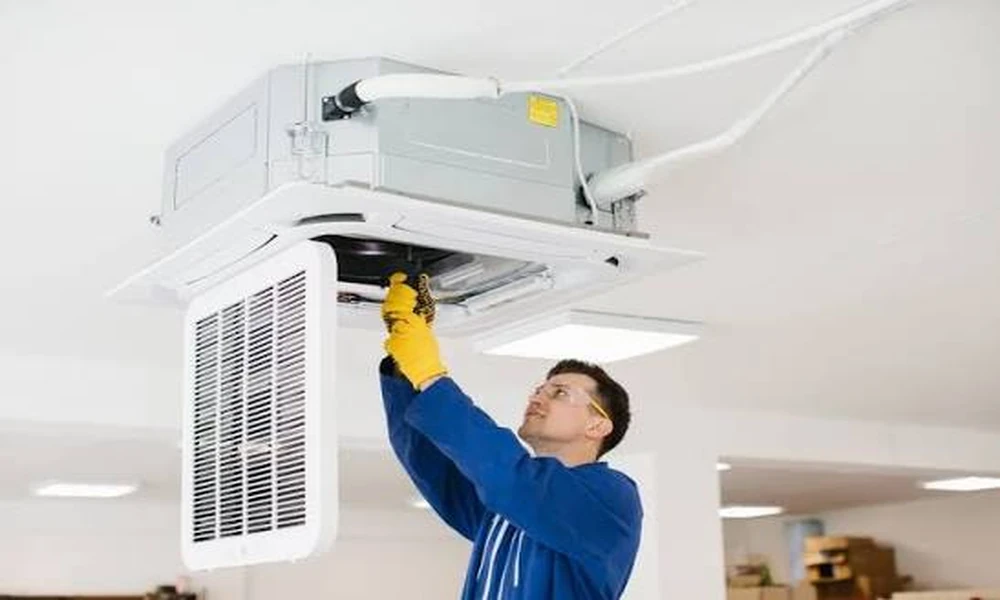
Few household problems are as stressful as a furnace that suddenly stops working during cold weather. When temperatures drop, your heating system becomes essential for keeping your home comfortable and protecting your family from the cold. A furnace breakdown can happen without much warning, leaving homeowners wondering what to do next. While some heating problems have simple causes, others require professional attention. If your system refuses to heat your home or continues shutting down unexpectedly, arranging furnace repair Forsyth is often the safest way to restore reliable heating.
The good news is that not every furnace problem means the system has completely failed. Before assuming the worst, there are several basic checks you can perform that may identify a simple issue. Knowing how to respond calmly can help you avoid unnecessary stress while ensuring your home stays as safe and comfortable as possible until the problem is resolved.
Start by Checking the Thermostat
The thermostat is the first place to look whenever your furnace stops working. It controls when your heating system turns on and off, and even a small setting change can prevent the furnace from operating correctly. Make sure the thermostat is switched to “Heat” rather than “Cool” or “Off.” Also, confirm that the temperature setting is several degrees higher than the current room temperature so the furnace receives a clear signal to begin heating.
If your thermostat uses batteries, replacing them may solve the problem. Weak batteries can interrupt communication between the thermostat and the furnace, causing the heating system to remain off even though everything else is functioning properly. After making any adjustments, give the system a few minutes to respond before moving on to other troubleshooting steps.
Check Your Power Supply
A furnace cannot operate without power, even if it uses natural gas or another fuel source for heating. Electrical interruptions are one of the simplest explanations for a heating system that suddenly stops working. A tripped circuit breaker, a disconnected power switch, or a temporary power outage may prevent the furnace from starting.
Take a few minutes to inspect your home’s electrical panel and check whether the furnace breaker has tripped. If it has, resetting it may restore normal operation. Also, make sure the furnace power switch, which is often located near the unit, has not been accidentally turned off. If the breaker trips repeatedly after being reset, avoid continuing to reset it, as this could indicate an electrical problem that requires professional service.
Inspect the Air Filter
A dirty air filter may not seem like a major problem, but it can have a significant impact on furnace performance. As dust, pet hair, and other debris build up on the filter, airflow becomes restricted. The furnace has to work much harder to circulate warm air throughout your home, and in some cases, restricted airflow may cause the system to shut down as a safety measure to prevent overheating.
Replacing the air filter is one of the simplest maintenance tasks homeowners can perform. If the existing filter appears dirty or clogged, installing a clean replacement may improve airflow and allow the furnace to operate normally again. Regular filter changes also help improve indoor air quality while reducing unnecessary strain on the heating system throughout the winter.
Make Sure the Vents Are Open
Sometimes the problem is not the furnace itself but the airflow inside your home. Closed or blocked supply vents can reduce the amount of warm air reaching different rooms, making it seem as though the heating system has stopped working. Furniture, rugs, curtains, or storage boxes placed over vents can also restrict airflow and reduce overall heating performance.
Walk through your home and check that all supply and return vents are fully open and free from obstructions. Allowing air to move freely helps your furnace heat the home more evenly and reduces unnecessary stress on the equipment. Even if this step does not completely solve the problem, it supports better system performance once the furnace is running again.
Look for Obvious Warning Signs
If your furnace still refuses to operate, spend a few moments looking for visible signs that may help identify the problem. Modern furnaces often display blinking diagnostic lights that indicate specific operating issues. Although these codes should be interpreted by a qualified technician, noticing them can provide useful information during a service call.
You should also pay attention to unusual sounds or smells. Loud banging, grinding, or squealing noises may point to worn mechanical components, while a burning smell could indicate dust burning off after a long period of inactivity or an electrical issue that requires immediate attention. If you smell natural gas, leave your home immediately and contact your gas provider or emergency services rather than attempting to troubleshoot the furnace yourself.
Keep Your Home Warm While Waiting for Repairs
If your furnace cannot be restarted, your next priority should be keeping your home as warm as possible until professional help arrives. Closing curtains and blinds helps reduce heat loss through windows, while keeping interior doors open allows the remaining warmth to circulate more evenly throughout the house. Wearing warm clothing and using extra blankets can also help everyone stay comfortable while the heating system is being repaired.
Avoid using outdoor heating equipment, charcoal grills, or gas-powered appliances inside your home to generate heat. These devices are not designed for indoor use and can create dangerous carbon monoxide buildup. If you use portable electric space heaters, follow the manufacturer’s safety instructions carefully and keep them away from curtains, furniture, and other flammable materials.
Know When to Call a Professional
Some furnace problems have simple solutions, but others require specialized knowledge and equipment to diagnose safely. If your furnace still will not operate after checking the thermostat, power supply, air filter, and vents, it is time to contact a qualified HVAC technician. Attempting to repair gas valves, electrical components, or internal mechanical parts without proper training can create additional damage and safety risks.
A professional technician can inspect the entire heating system, identify the source of the problem, and recommend the most appropriate repair. Prompt service often prevents small issues from becoming larger and more expensive, while restoring safe and reliable heat to your home as quickly as possible.
Prevent Future Furnace Breakdowns
Although no furnace can last forever, routine maintenance significantly reduces the likelihood of unexpected breakdowns during the coldest months of the year. Scheduling annual heating inspections allows technicians to identify worn components, clean important parts, test safety controls, and ensure the furnace is operating efficiently before winter arrives.
Homeowners can also help keep their systems running smoothly by replacing air filters regularly, keeping vents unobstructed, and paying attention to changes in heating performance. Addressing small concerns early often prevents more serious problems later, helping your furnace provide dependable comfort throughout the heating season.
Closing Thoughts
A furnace that stops working during cold weather can be frustrating, but responding calmly and checking a few basic items may help identify a simple solution. Problems with the thermostat, power supply, airflow, or air filter are often easier to correct than many homeowners expect. Taking these initial steps can sometimes restore heat without requiring major repairs.
If your furnace continues to malfunction or shows signs of a more serious issue, professional service is the safest and most effective solution. Regular maintenance, timely repairs, and prompt attention to unusual warning signs help keep your heating system operating efficiently and reliably, ensuring your home remains warm and comfortable throughout the winter months.
=========================================================

Femke Denis is a technology writer specializing in smart home innovation, automation systems, and connected devices. She focuses on how emerging technologies are transforming modern homes into more efficient, secure, and intelligent living spaces.
