
Springfield has four clear seasons that bring a different set of pests. Spring warms slowly, with the last frost arriving around the first ten days of April. Fall cools just as steadily, with the first frost near the end of October. Between those dates, the region runs through a long, active pest season shaped by heat, rain, and the return of cold. Knowing what each season brings helps a homeowner treat problems at the right time. Springfield’s frost-free stretch runs roughly six and a half months, which gives most pests a long window to feed and breed before winter.
Working with Palisade Pest Control Springfield, MO through the year keeps a home covered as these patterns change. A plan built around the seasons treats each pest when it becomes active, before it settles indoors.
Spring Brings Swarms and the First Ant Trails
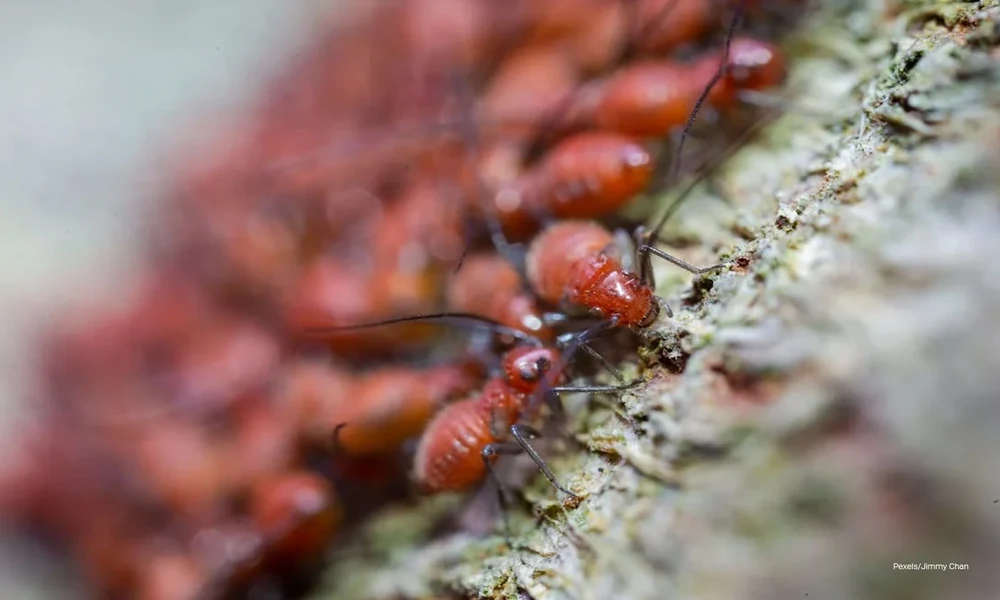
As the ground warms in April, insects become active again. Subterranean termites send out swarms of winged reproductives on warm days after rain, looking for new places to nest. Ants begin foraging and push trails indoors in search of food and water. Wasps start building nests under eaves and in sheltered corners. Spring is the season to watch for these early signs and to treat before small colonies grow. A spring termite swarm near a foundation is often the first clear sign of a colony that has been active underground for a year or more.
Summer Peaks With Mosquitoes and Stinging Insects
Summer often brings the year’s highest level of pest activity. Warm, humid weather speeds up breeding, and standing water from summer storms feeds mosquitoes. Wasps and hornets reach full colony size and defend their nests. Flies, ants, and spiders stay active around homes through the hottest weeks. This is the season when outdoor activity and pest activity overlap most, which raises the chance of stings and bites. Because mosquitoes can develop from egg to adult in about a week, a period of hot, wet weather can produce a sudden surge.
Fall Pushes Rodents and Spiders Toward Shelter
When temperatures drop toward the late-October frost, pests look for a warm place to spend the winter. Mice and rats search for gaps that lead indoors. Spiders move into basements, garages, and storage areas. Boxelder bugs and other overwintering insects gather on warm walls before slipping inside. Sealing entry points in early fall keeps many of these pests out before the cold settles in. A gap not wider than a coin is enough for a mouse, so even a well-kept home can let rodents in as the nights turn cold.
Winter Hides Pests Inside Heated Homes
Cold weather does not end pest activity in Springfield. It moves that activity indoors. Rodents that entered in fall keep feeding and breeding in wall voids and attics. Cockroaches and spiders stay active in heated basements and kitchens. Because these pests are out of sight, an infestation can grow through the winter without notice. Winter is a good time for an inspection, since quiet activity is easy to miss. Warm indoor spaces let some pests skip their usual winter slowdown.
Why a Year-Round Plan Beats Seasonal Reactions
Each season brings its own weather, and pests adjust their activity as conditions change. A treatment aimed at one season leaves gaps in the others. Regular service through the year meets each pest as it becomes active and keeps pressure low between visits. For a Springfield home that faces swarms in spring, mosquitoes in summer, and rodents in fall, a solid plan is the most reliable protection.
