
A plumbing problem often appears at the fixture where water stops moving normally. The kitchen sink drains slowly. A shower begins holding water. The toilet makes a strange gurgling sound. The visible symptom may start in one room, but the restriction responsible for it may sit much farther along the drainage system.
Professional sewer and drain cleaning becomes easier to understand when you follow the path wastewater takes after leaving a fixture. Individual drains connect to larger branch lines, those branches feed into main drainage piping, and wastewater eventually leaves the property through the sewer connection. The farther along that path a blockage develops, the more fixtures it may affect.
Every Drain Starts With an Individual Fixture
Kitchen sinks, bathroom sinks, showers, tubs, toilets, and utility drains each provide an entry point into the plumbing system.
When only one fixture slows down, attention often begins close to that location.
A bathroom sink may collect hair, toothpaste, soap residue, and other material near the stopper or trap. A kitchen sink deals with grease, food particles, and dishwashing residue.
These localized restrictions may affect one fixture while the rest of the property drains normally.
That pattern provides useful information because it limits the first part of the search.
Branch Lines Connect Nearby Fixtures
Wastewater does not remain in separate pipes forever.
Several fixtures may eventually connect to the same branch drain. Once that happens, a restriction in the shared section may create symptoms in more than one place.
Imagine a bathroom where the sink drains slowly and the shower begins gurgling after the toilet flushes.
The individual fixtures appear different, but their drainage paths may intersect farther downstream.
Those relationships matter during sewer and drain cleaning because the worst-looking fixture is not always closest to the actual restriction.
Watch What Happens When Another Fixture Drains
One of the easiest ways to gather useful information is to notice how fixtures react to each other during ordinary use.
A toilet flush may produce bubbling in a nearby shower. A washing machine may release water and cause a floor drain to gurgle. Running one sink may affect another fixture in the same part of the building.
Write down those patterns.
There is no need to repeatedly recreate an active backup. Simply remembering which fixture triggers the symptom gives the service provider additional context.
For information about professional sewer and drain services in Sarasota, review the available service options when problems begin affecting more than one fixture.
Kitchen Waste Moves Farther Than the Sink Trap
Grease often creates plumbing trouble gradually.
Warm cooking oils may enter a kitchen drain in liquid form and then cool farther along the piping. Material begins sticking to the interior surface, creating a layer that catches food residue and additional debris.
The open space inside the pipe becomes smaller.
At first, the sink may simply drain a little slower. Later, the line may need repeated clearing.
A blockage like this may extend beyond the section immediately beneath the sink, especially when grease has entered the system for a long period.
Bathroom Buildup Travels Downstream Too
Hair and soap residue often start close to a bathroom fixture, but smaller material may move deeper into the drainage system.
Repeated buildup gradually changes how water moves.
A shower may hold water longer. A sink may empty slowly. Nearby drains may eventually begin reacting to each other.
The important detail is progression.
A problem that began with one fixture and later spread to another deserves a different inspection than a drain that has remained isolated for years.
Tracking that progression provides clues about how far downstream the restriction may have developed.
Main Drain Trouble Creates a Wider Pattern
Branch drains eventually connect to larger drainage piping.
A restriction in a main line may therefore affect several rooms instead of one sink or shower.
Common patterns include several slow drains, lower fixtures backing up, toilets gurgling, or wastewater appearing in a tub or floor drain after another fixture is used.
At this stage, repeatedly clearing individual fixtures may miss the actual problem.
Professional sewer and drain cleaning should follow the drainage path toward the shared line rather than treating every slow fixture as a separate clog.
Sewer Problems Extend Beyond Indoor Plumbing
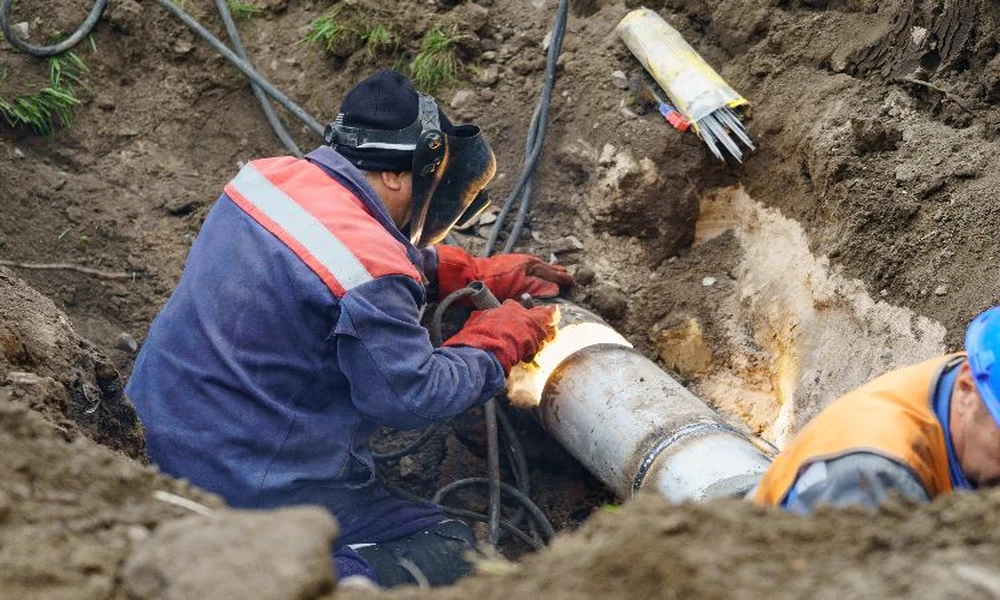
Wastewater eventually leaves the building through the sewer lateral or other main connection.
That underground piping faces different conditions from a sink drain inside the house.
Tree roots may enter through defects. Grease and debris may collect. Pipe damage or shifting may affect flow. Older repairs may also influence how material moves through the line.
These conditions require a broader inspection than ordinary surface-level drain clearing.
The location of symptoms becomes especially important when trouble appears across several fixtures or repeatedly returns after earlier service.
Grease Creates Problems Across Sewer Systems
Fats, oils, and grease affect more than individual kitchen drains.
The U.S. Environmental Protection Agency identifies fats, oils, and grease among materials associated with sanitary sewer blockages. Its information on sanitary sewer overflows also identifies certain wipes, sanitary products, root intrusion, and inadequate sewer cleaning among conditions linked to blockages.
This provides a useful reason to keep cooking grease out of household drains.
Collect oils and fats for appropriate disposal rather than pouring them down the sink. Reducing the amount entering the system limits one common source of buildup farther along the wastewater path.
Tree Roots Create a Very Different Obstruction
Roots naturally grow toward moisture.
When underground sewer piping develops a crack, loose joint, or another opening, roots may find their way inside. Once established, they may restrict flow and collect additional debris.
The EPA lists tree-root intrusion through sewer defects or openings among causes of sewer blockages.
This type of restriction is very different from hair caught near a shower drain.
Repeated main-line symptoms may therefore require inspection farther underground rather than another round of clearing close to an indoor fixture.
Gurgling Gives the Drainage Path Away
A gurgling drain often becomes useful because of when it makes noise.
Suppose the shower gurgles every time the toilet flushes. Those two fixtures may interact somewhere within the drainage system.
If a kitchen sink makes noise only when the washing machine drains, the pattern leads the investigation in another direction.
Gurgling by itself does not identify the exact obstruction.
Its value comes from showing which fixtures appear connected to the same flow problem.
These relationships make it easier to narrow down where the drainage pathway begins behaving differently.
Odors May Travel Through Connected Lines
Foul odors may appear before a drain becomes completely blocked.
Organic debris, food residue, grease, and stagnant material may remain inside piping while water still passes through.
Notice where the smell appears.
An odor isolated to one kitchen sink suggests a different starting point from smells appearing around several drains.
Cleaning visible surfaces may temporarily improve the room without removing material farther inside the line.
Recurring odors deserve to be considered alongside slow drainage, gurgling, and previous clogs rather than treated as an unrelated nuisance.
Cleaning Methods Depend on What Is Inside the Pipe
Not every restriction needs the same equipment.
A concentrated clog may respond to mechanical drain clearing. Heavy grease or sludge coating pipe walls may require a cleaning method designed to remove material across a longer section.
Roots present another situation.
Pipe condition matters too. Older or damaged lines may need closer evaluation before aggressive cleaning equipment is used.
Professional sewer and drain cleaning should match the technique to the location, type of obstruction, and condition of the piping rather than treating every clog the same way.
A Camera Inspection May Clarify Recurring Problems
Some drainage problems continue returning even after previous cleaning.
That history raises an important question: is the line repeatedly collecting ordinary buildup, or is another condition contributing?
A sewer camera inspection may reveal sections that deserve closer evaluation when symptoms keep returning.
The inspection may provide information about heavy buildup, roots, damaged areas, or other visible conditions inside accessible piping.
This type of investigation becomes especially useful when the same main-line problem returns despite earlier clearing.
Understanding why the blockage develops matters as much as opening the line again.
Final Testing Should Follow the Original Wastewater Path
Drain service should finish by checking the fixtures that originally revealed the problem.
If one sink was slow, run water through that sink. If several bathroom fixtures interacted, check how they behave afterward.
For a wider drainage issue, testing several connected fixtures provides more useful information than checking one opening.
The original symptoms create the benchmark.
If the gurgling, slow drainage, or backup remains after cleaning, the system may need additional evaluation farther along the wastewater path.
Follow the Plumbing Instead of Chasing Individual Clogs
The location where a drain problem appears is only the beginning of the story.
Wastewater travels from individual fixtures into branch lines, then into larger drains and eventually through the sewer connection. A restriction may form anywhere along that route.
Thoughtful sewer and drain cleaning follows the symptoms through that system instead of assuming the visible fixture contains the entire problem.
If several drains have started slowing down, clogs keep returning, or fixtures are gurgling and backing up together, contact SRQ Sewer & Drain Solutions to discuss the symptoms and have the affected drainage lines evaluated.

Femke Denis is a technology writer specializing in smart home innovation, automation systems, and connected devices. She focuses on how emerging technologies are transforming modern homes into more efficient, secure, and intelligent living spaces.
