
The Spring Thaw Trap Homeowners Keep Falling Into
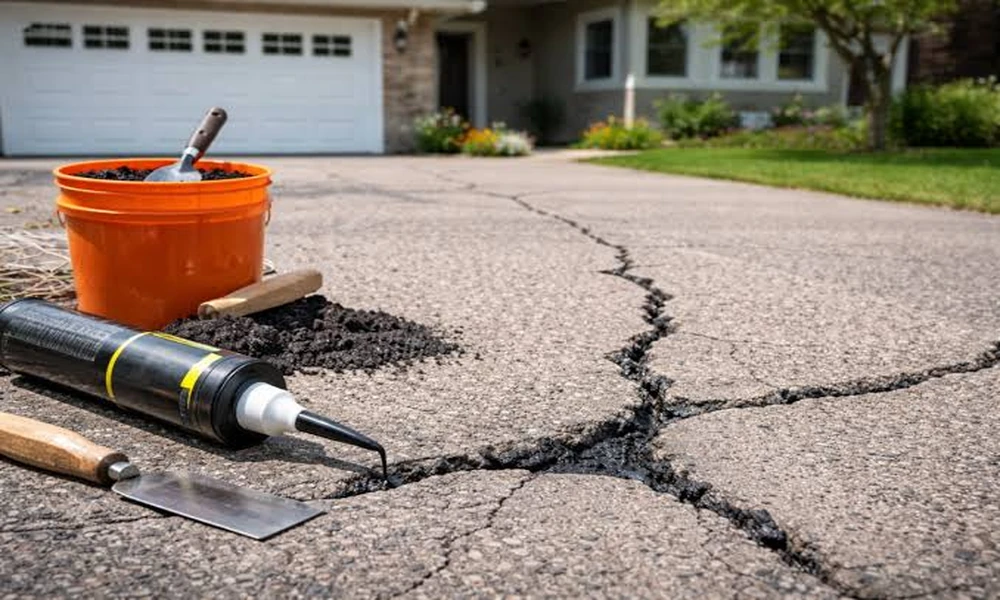
Picture this: you walk outside in early April, coffee in hand, and notice the hairline crack that appeared last fall has widened into something you can fit a quarter into. Water pooled there all winter, froze, expanded, and now the edges of your slab are starting to heave. This is the exact moment many Calgary homeowners decide a quick patch will buy them another year. It rarely does, and the reason has everything to do with how our freeze-thaw cycles behave compared to milder climates.
A lot of people assume concrete damage is cosmetic until it becomes a tripping hazard. That assumption costs them. Calgary can swing through dozens of freeze-thaw cycles in a single winter, and each cycle forces water deeper into existing cracks. By the time spring arrives, what looked like a surface issue in November has often become a structural one, with the base beneath the slab compromised in ways that no sealant can reverse.
Matching the Fix to What’s Actually Happening Underground
The driveways that hold up longest in this city are the ones where the base preparation got as much attention as the finished surface. Calgary’s clay-heavy soil expands and contracts with moisture far more than sandy or rocky soil does, which means a slab poured over an inadequately compacted or poorly drained base will crack again within a few seasons, no matter how good the concrete mix was. Anyone searching for a lasting driveway replacement in Calgary solution needs a contractor who treats the sub-base as the real project, not an afterthought before the pour.
Thickness matters too, and it’s an area where corners get cut without homeowners realizing it until the damage shows up. A driveway built to handle a sedan looks identical, at first, to one reinforced for trucks, trailers, or heavier daily traffic. The difference only becomes obvious after a winter or two, when the thinner slab starts showing stress cracks near the edges where weight concentrates. Reinforcement with rebar or wire mesh, proper control joints spaced to manage natural expansion, and a slope that actually directs water away from the garage all play a role that’s easy to overlook when you’re focused on the surface finish.
Drainage deserves its own mention because it’s the detail most frequently missed on older Calgary properties. A driveway that slopes even slightly toward the house, or lacks a clear path for meltwater to escape, will hold moisture against the foundation and the slab itself for weeks at a time. That trapped moisture is what accelerates the freeze-thaw damage described earlier, turning a cosmetic issue into a structural one far faster than it would in a well-drained setup.
Timing the Work Around Calgary’s Short Construction Window
Concrete needs specific temperature conditions to cure properly, which narrows the realistic window for pouring in this region to roughly late spring through early fall. Contractors booked solid during July and August aren’t being difficult when they push your project to a later date; they’re managing a genuine scheduling constraint tied to weather. Homeowners who start planning in February or March, rather than waiting until the cracks are unmissable, tend to get better contractor availability and more flexibility on timeline.
Getting quotes early also gives you room to ask the right questions before signing anything. Find out what base depth the contractor plans to excavate to, how they’ll handle drainage around the garage apron, and what curing time they recommend before the driveway sees regular vehicle traffic. A contractor who can’t answer these specifics clearly is often the same one who’ll cut corners once the crew is on site and the weather window starts closing.
Budgeting for the full scope of the work, rather than just the visible slab, tends to prevent the most common regret homeowners mention after the fact. Excavation, base material, drainage adjustments, and proper curing time all add cost up front but remove the recurring repair bills that come with a driveway poured on a shortcut foundation. Once the new surface is down and cured, routine maintenance like resealing every few years and promptly addressing any new hairline cracks will keep it performing the way it should through many more Calgary winters than the one it replaced.
