
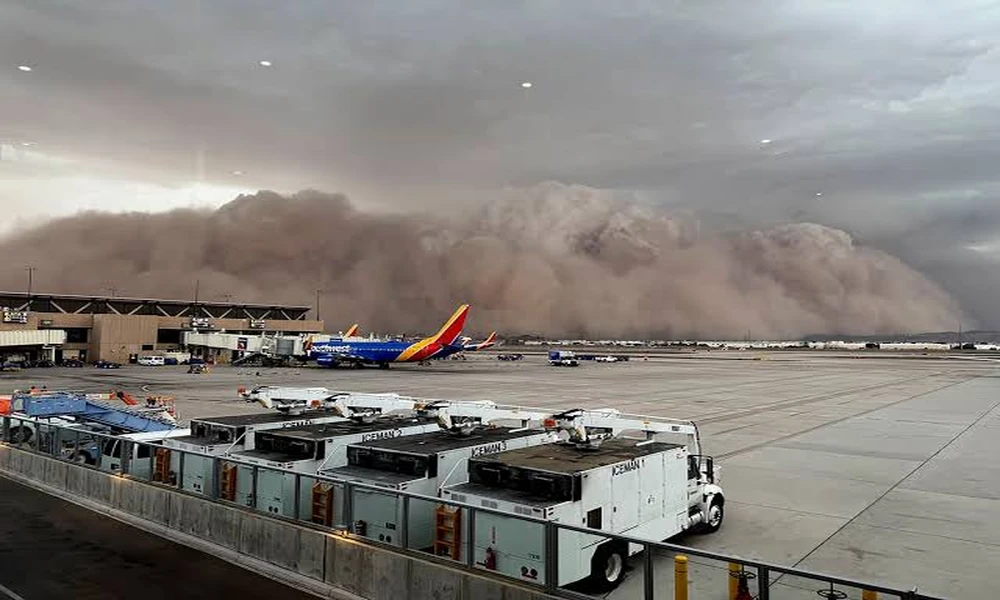
By late October, most Phoenix area homeowners have stopped watching the eastern sky. The haboobs are gone, and the official monsoon window, which runs from mid June through the end of September, has closed. Still, the season tends to leave a record behind. Much of it sits inside the equipment that worked hardest all summer: the air conditioner, its drain line, and the pipes and fixtures that weathered the same storms.
Homeowners who want a trained set of eyes on that record often turn to established local firms such as Weather Masters Inc, a family run Mesa company that has handled heating, cooling and plumbing work across the Phoenix metro since 1983. Whoever does the inspection, it helps to know what the clues look like.
Dust Gets Packed Into Places Filters Never Reach
The National Weather Service describes how dust storms build when high winds pick up loose soil and turn conditions dangerous within minutes. In the Valley, those walls of dust ride in on thunderstorm outflow. One July storm this summer pushed gusts near 50 mph across the East Valley and knocked out power to roughly 16,000 customers. Each gust drove fine silt into outdoor condenser coils.
That coil dumps your home’s heat into the outside air through thin aluminum fins packed tightly together. Caked dust acts like a blanket over those fins. The compressor then runs hotter and longer, which shows up first on the power bill and later as wear.
Indoors, the return filter catches most of the grit, but not all of it. Fine particles slip through gaps around the filter rack and settle on the blower wheel and the indoor coil, where summer moisture glues them in place.
A few signs suggest the dust has built up:
- The outdoor fins look gray or felted instead of showing bare metal, often worst on the side that faced the storms.
- Cycles run noticeably longer on mild days that the system used to handle easily.
- A musty, stale odor puffs out when the blower starts, a hint that grime is holding moisture on the indoor coil.
Rinsing the outdoor coil gently with a garden hose, power off and water flowing from the inside outward, is a reasonable homeowner job. Straightening bent fins and cleaning the indoor coil and blower are better left to a technician.
Humidity Tested the Condensate Line
For most of the year, a Phoenix air conditioner removes very little water from the air. Monsoon season flips that. Dew points climb, and the indoor coil suddenly wrings out far more moisture than usual.
That surge meets whatever dust settled in the drain pan, and the mix turns into sludge. ENERGY STAR’s heating and cooling maintenance checklist points out that a plugged drain can cause water damage, throw off indoor humidity and breed bacteria and mold.
Many Valley homes have a built in warning for this. The secondary drain line is often routed to drip above a window or under an eave on purpose, so that any water coming out of it gets noticed. If that spot dripped during the summer, the primary line was blocked at some point, and it may still be partly clogged. A ceiling stain below an attic air handler or a system shut off by a tripped float switch tells the same story.
Lightning and Flickering Power Hit the Electronics
Monsoon storms rarely cut power cleanly. Lines flicker, drop and return, and each restart jolts parts that desert heat has already weakened.
Capacitors. These small cylinders give the compressor and fan motor their starting kick. Months of triple digit heat dry them out, and a storm surge can finish one off. The classic symptom is an outdoor unit that hums while the fan blade sits still.
Contactors. This switch closes when the thermostat calls for cooling. Repeated cycling during outages can pit its contacts, so the unit starts some days and not others.
Control boards and thermostats. A thermostat that lost its schedule, shows a blank screen, or behaves oddly after a storm may simply need a reset. Recurring problems can point to a damaged board.
A breaker that tripped during a storm and keeps tripping after being reset is a signal to stop flipping it and get the circuit checked.
The Plumbing Side of the Same Storms
Monsoon rain arrives in short, violent bursts, and the plumbing around a home absorbs part of that punch. Older Valley houses with flat roofs often carry rooftop package units that sit near scuppers and roof drains. Wind blown debris can dam those drains, letting water pond around the unit’s base and seep toward the ductwork below.
Gas water heaters vent through the roof as well. High winds can loosen flue caps or push debris into the vent, and a partly blocked vent is a safety issue rather than a comfort one. At ground level, yard drains and sewer cleanouts collect silt. A cleanout cap that was cracked or knocked loose can let storm water and grit into the sewer line, setting up slow drains weeks later.
Getting Ready for the First Cool Night
Arizona does not observe daylight saving time, so the familiar reminder to service your system when the clocks change never arrives here. A more practical marker is the first forecast night that dips into the 50s, or the moment you are about to switch the thermostat over to heat.
If your home uses a heat pump, the same dusty outdoor coil that struggled all summer now has to pull warmth out of cool air, and it will struggle at that job too. If you have a gas furnace, a faint burning smell during the first run of the season usually comes from dust cooking off the heat exchanger and fades quickly. A smell that lingers, or any hint of gas, is a reason to shut the system down and call for service.
Swapping the filter is the simplest step of all, since it likely trapped more grit this summer than in the rest of the year combined.
Monsoon storms are brief, but the wear they leave behind is not. A fall look over the cooling system and the plumbing around it tends to turn up small, inexpensive fixes like a rinsed coil, a cleared drain line or a fresh capacitor. Catching those now is far easier than discovering them on the first 110 degree afternoon next June.
