
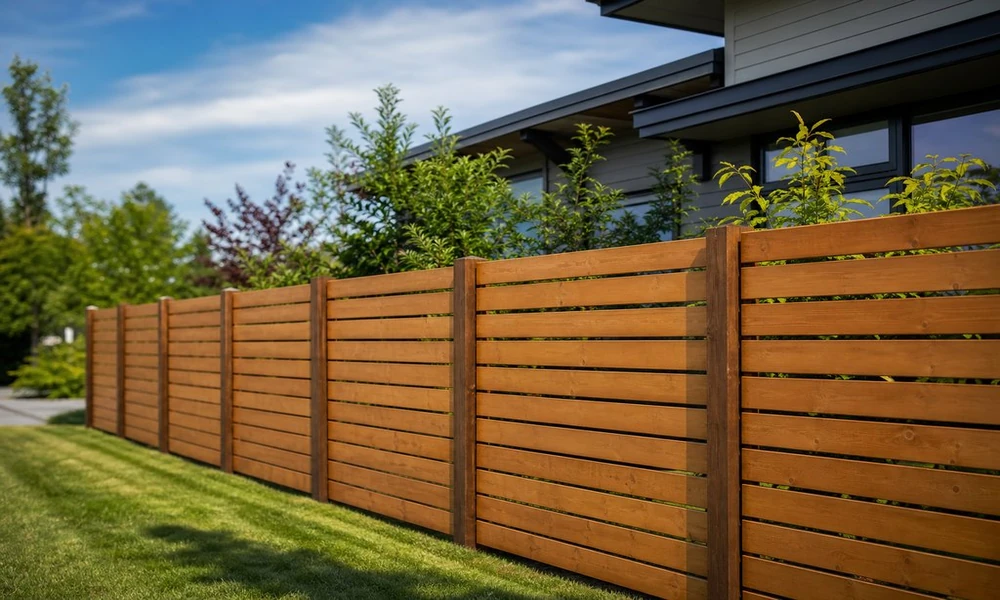
So, you’re thinking about a new fence. Maybe it’s time to close off an area, keep your dog inside the yard, block neighbors’ views, add some character to your home, divide your yard into two separate zones, or simply protect your plants. While a new fence solves problems, getting what you want starts long before the installation begins. The homeowner who knows their site, why they want a fence, and how the fence is installed will be able to evaluate quotes and limit the number of last-minute changes.
Start with what the fence needs to do
Fences aren’t always used for total privacy, nor is a solid wall always the answer. Determine what the fence is supposed to accomplish first before getting distracted by style and color.
Here are a few reasons you might consider installing a fence:
- To restrict pets or small children to a specific part of the yard
- To establish privacy from your neighbors and passersby in backyards, beside pools or patios, or around windows
- To delineate your property lines
- To create privacy from traffic on a nearby street or neighboring lot
- To protect your garden from animals
- To add visual interest without completely enclosing your yard
The details of a fence used for containment will differ significantly from a fence used purely for aesthetics. Gate hardware, picket spacing, gap at the base, and total height will all matter more if you’re trying to prevent pets and children from leaving the property.
Walk the property before requesting a quote
When you request a quote, they’ll need more information than just the length of the fence line. The terrain, vegetation, water flow, existing structures, and underground utilities will all play a role in determining the final price and design of the fence.
Walk the perimeter and note down where fences or other obstacles are. Look out for sheds, retaining walls, electrical boxes, sprinkler heads, and tree roots. If you’re replacing an old fence, find out whether the current fence’s posts are installed in concrete. Removing concrete posts requires additional labor and may result in a number of holes that need to be refilled and leveled.
Finally, make sure that your property lines are clearly defined. You don’t want to place a fence based on intuition, old landscaping features, or where the previous owner’s fence was located. If there’s any doubt about where your property lines are, it’s far easier to resolve this prior to construction than to relocate a finished fence later.
Match materials and methods to the site
Wood, vinyl, metal, composite, and chain-link fences (check https://en.wikipedia.org/wiki for more) each offer different advantages and disadvantages. The best option depends on your preferences for the fence’s appearance, how much maintenance you’re willing to perform, local weather conditions, and the expected lifespan of the fence.
Wood
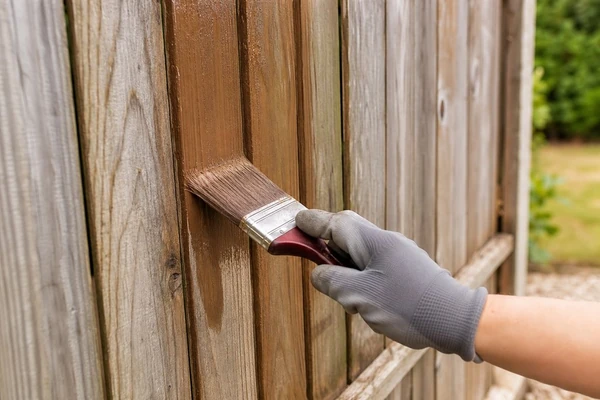
Wood fencing has a classic aesthetic and numerous design options. While the fence can be repaired on a post-by-post basis, the wood needs regular treatment, staining, or painting, and you’ll want to monitor the lower sections for signs of decay.
Vinyl & Composite
Vinyl and composite fencing require little to no regular maintenance and present a uniform look. This could make it an excellent choice for privacy fencing, though damaged panels may be harder to replace than individual pieces of wood.
Metal & Chain-Link
Metal fencing provides optimal visibility, longevity, and security. Chain links are useful for keeping animals inside your yard, while wrought iron or other similar types of metal fencing are appropriate for creating a barrier while still maintaining the view.
Skip if the layout may change
If you need a quick-and-dirty dog fence or a short-term boundary, don’t invest in high-end materials. That level of investment is overkill when the layout is likely to change within a few years.
Ask how the fence will be built
A good proposal will specify the style of fencing, materials used, gate placement, removal of old fence, and whether or not grading and cleanup will be included; working with a fence contractor starts there. It should also explain how the fence posts will be installed.
Be aware that gates will require some space in order to swing open and close freely. A gate must be located on flat ground away from a slope, landscape features, stairs, or vehicles. A double gate must have roughly equal ground clearance on either side of the opening, otherwise one half of the gate won’t latch properly.
It’s also helpful to know how the crew will deal with the following:
- Pre-construction utility marking
- Uneven terrain under the fence
- Water drainage at the fence line
- Equipment and material access to the yard
- Disposal of the old fence and dirt
Local ordinances dictate the height, location, and gate placement of fences, even when the entire fence is situated on private property. Confirm what restrictions may be applicable before deciding on the fence design, rather than basing your choice on what your neighbor has.
Before the crew arrives
The smoothest installations start with a staked-out layout, selected materials, and a plan for disposing of the old fence and excess dirt. Check the gate location both inside and outside the yard and move anything that might obstruct the work area.
