
It starts with a faint smell you notice when you pull the laundry out. Then one day, your whites come out looking greyish, and your washer starts making a noise you definitely didn’t hear before.
Most washers are neglected for months, or even years, before anyone realises that something is wrong. By then, the mould has moved in, the filter is blocked, and the drum smells like a canal
Don’t worry, though, because keeping it in top shape is easier than you think. So, keep scrolling to learn some easy hacks.
What Happens When You Don’t Clean Your Washer?
Before you grab the vinegar and get to work, it helps to know why washing machines get grimy in the first place.
Every cycle leaves something behind. Detergent residue, fabric fibres, and limescale from hard water all build up gradually inside the drum, seals, and pipes. Many parts of the UK have notoriously hard water, which means limescale is a particularly common culprit here.
Over time, this buildup restricts water flow, reduces cleaning power, and creates the warm, damp conditions that mould loves.
Once you picture all that residue settling in after every wash, hitting that ‘clean cycle’ button will suddenly feel like a good idea.
Gather What You Need
You don’t need a cupboard full of specialist products to maintain your machine. Most of what you need is probably already in your kitchen.
Here’s your kit list: white vinegar, baking soda, a microfibre cloth, an old toothbrush, and washing-up liquid. That should cover most scenarios. Optional extras include a dedicated washing machine cleaner for a deeper monthly refresh.
Keep these somewhere accessible, ideally near your laundry area, so there’s no excuse to skip a session.
Clean the Drum First
The drum is the heart of your washing machine, so start here. Run an empty cycle on the hottest and longest setting, adding two cups of white vinegar directly into the drum before you begin.
Vinegar’s acidity will help break down limescale deposits, kill bacteria, and cut through detergent residue without damaging the drum.
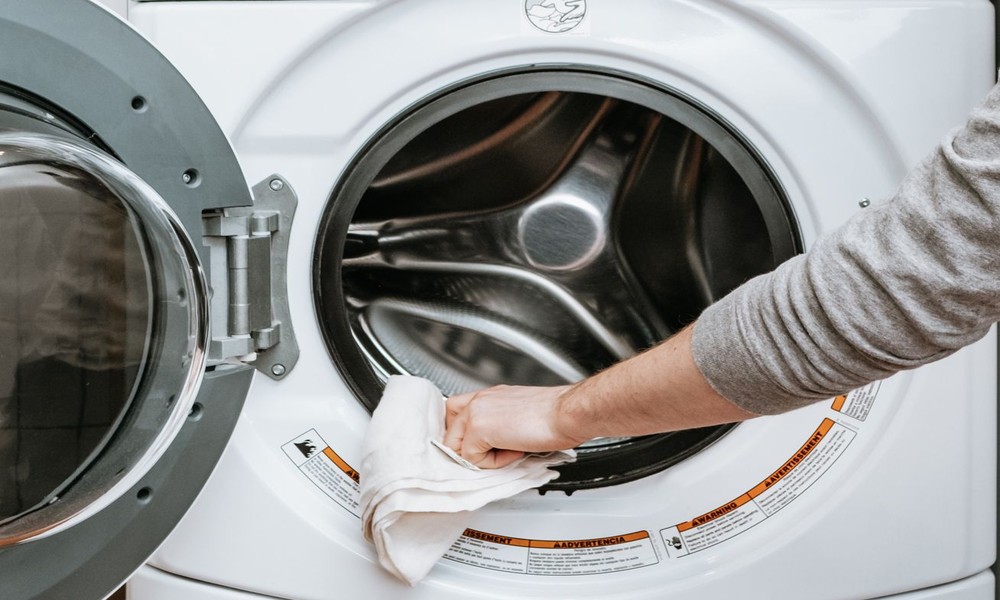
Once the cycle finishes, wipe the interior down with a damp microfibre cloth.
If you spot any stubborn staining, mix some baking soda with a little water to form a paste. Apply it, leave it for five minutes, then scrub the drum gently and wipe it clean.
Vinegar and baking soda are an incredibly effective duo; they’re inexpensive, eco-friendly, and easy to find anywhere.
Tackle the Door Seal
The rubber seal around your washer’s door is a mould magnet. It stays damp after every wash, and all those little folds are perfect hiding spots for grime and residue.
To avoid this, combine equal parts white vinegar and water, dip your cloth in the mixture, and wipe the seal thoroughly, getting right into the creases.
Use your old toothbrush for any stubborn residue hiding in the folds. And after every wash going forward, leave the door ajar for a bit.
Even an hour of airflow will help the seal dry properly and reduce the chances of mould returning. It’s a small adjustment that can prevent a much bigger problem later.
Sort Out the Detergent Drawer
If your washing machine smells less than fresh, the detergent drawer is often the culprit.
Slide the detergent drawer all the way out. Most machines have a small release tab you press as you pull, so don’t force it. Once it’s out, take a look at the buildup. This is where old detergent and fabric softener have been quietly setting up camp.
Soak it in warm, soapy water for 10-15 minutes to loosen any hardened detergent or fabric softener.
Then, scrub it with your toothbrush, rinse it well under running water, and leave it to air dry before slotting it back in.
While the drawer is out, grab a flashlight and check the recess it came from. Wipe out any gunk in there, too.
If that area gets clogged, detergent won’t dispense properly, which means your clothes won’t get as clean as they should, no matter how much detergent you pile in.
Check and Clean the Filter
If your machine has been acting a little sluggish or leaving clothes wetter than usual, the filter is a good place to look. It’s designed to catch lint, hair, coins, and all the random bits that sneak into pockets, so it can fill up fast.
It’s usually located behind a small panel at the front bottom of the machine, though the placement varies by model, so check your manual if you’re unsure.
Place a shallow tray or old towel underneath before you open it, because some water will probably come out.
Next, unscrew or unclip the filter, rinse it under the tap, and remove any debris by hand. Check it for any signs of damage while you’re at it.
If you have pets or do a lot of washing, aim to clean the filter monthly. For everyone else, doing this every three months is enough. Just don’t completely forget about it. Blocked filters lead to poor drainage and eye-watering repair bills.
Set a Cleaning Schedule
Most machines don’t get neglected because cleaning them is difficult. They get neglected because it’s easy to forget. So, the simplest fix is to turn maintenance into a routine rather than something you remember only when a stale smell appears.
Here’s an easy schedule you can try:
- Wipe the drum and door seal monthly. This will prevent moisture and residue from settling into the rubber folds and keep mould at bay.
- Clean the detergent drawer every two to three months. Removing buildup here will help the detergent dispense properly and keep bad odours from developing.
- Clear the filter every three months. If you use your machine frequently, have pets, or deal with heavy loads, move this to once a month to avoid drainage issues.
Set a reminder on your phone if needed. Once it’s scheduled, it’ll stop being a low-priority task and become part of normal upkeep.
Also, if you use a regular housekeeping service, many expert cleaners are happy to include basic appliance maintenance as part of their visits. However, for more serious mechanical issues, always go straight to a qualified appliance repair technician.
Conclusion
Say goodbye to suspicious smells drifting out of the laundry room and wondering why your ‘clean’ towels smell mouldy.
So, clear the filter, leave the door open between washes, and clean the drum properly every month. Your machine will reward you with years of quiet, reliable service and zero awkward conversations with repair engineers about what might’ve been growing inside it.
