
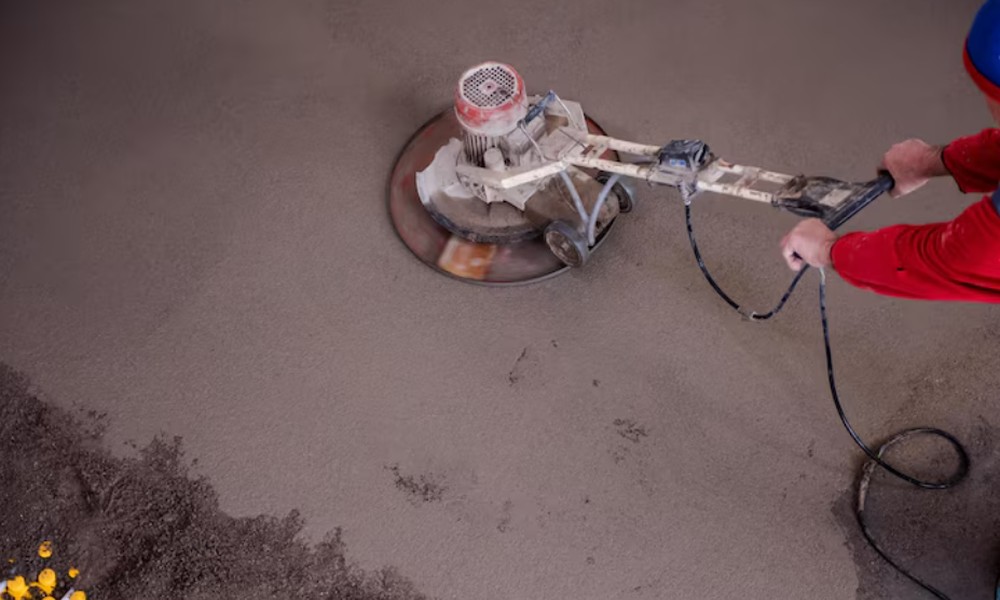
Maintaining floors in commercial and residential spaces is more than just an aesthetic choice-it is essential for safety, durability, and overall functionality. One common issue that can compromise floor integrity is the presence of core holes. These holes often result from construction activities, installations of utilities, or previous repair works. Over time, if left unattended, core holes can lead to uneven surfaces, tripping hazards, and structural concerns. Understanding the importance of repairing floor core holes and the benefits it provides can help property owners maintain safe and smooth floors.
Understanding Floor Core Holes
Floor core holes are circular openings that penetrate the surface of a floor, usually in concrete slabs. They are typically created to allow for plumbing, electrical conduits, or HVAC systems to pass through. While necessary during construction, these holes can become problematic if not properly filled after use. Unrepaired core holes can accumulate dirt and moisture, which may cause further damage to the surrounding floor material. Additionally, exposed holes create uneven walking surfaces, which increases the risk of slips and falls for employees, visitors, or residents.
The Safety Advantages of Repairing Core Holes
One of the main reasons to repair floor core holes is to improve safety. Open or poorly patched holes are common tripping hazards, especially in busy commercial environments like warehouses, offices, or retail spaces. Even minor unevenness in the floor can cause accidents. By repairing floor core holes promptly, the surface is leveled, reducing the risk of injuries. A smooth floor not only protects people from falls but also ensures compliance with safety regulations and building codes, which is especially important in workplaces and public areas.
Enhancing Floor Durability
Repairing core holes is also essential for maintaining the structural integrity of a floor. When holes are left exposed, moisture can seep in and weaken the surrounding concrete or flooring material. Over time, this can lead to cracks, chips, or even larger structural issues that require expensive repairs. Filling and sealing core holes with appropriate materials restores the floor’s strength and prevents further damage. This maintenance step extends the lifespan of the floor, saving property owners both time and money in the long term.
Maintaining a Professional Appearance
Floors are one of the most noticeable features in any space. Damaged floors with visible holes or uneven patches can give a negative impression, especially in commercial settings. Repairing floor core holes not only fixes safety and structural concerns but also helps maintain a clean and professional appearance. Smooth floors contribute to an organized and well-maintained environment, which can positively influence clients, customers, and visitors. For residential properties, repaired floors provide a visually pleasing surface that enhances the overall look of a home.
Choosing the Right Repair Methods
Properly repairing floor core holes involves more than just filling them with any material. The method chosen depends on the size of the hole, the type of floor, and the expected foot or vehicle traffic. For concrete floors, a common approach is to use a high-strength repair mortar that bonds well with the existing surface. In some cases, epoxy fillers or specialized patching compounds may be used to ensure durability. Hiring professionals who understand the repair process ensures that the holes are filled correctly, providing a long-lasting and smooth finish.
Preventing Future Issues
Repairing core holes promptly also helps prevent future floor problems. Once a hole is sealed, the surrounding floor is less likely to crack or degrade. Regular inspections and timely repairs minimize wear and tear, keeping surfaces safe and level. Additionally, maintaining a routine maintenance schedule can identify other areas that may need attention, ensuring that the floor remains in optimal condition for years to come.
Conclusion
Repairing floor core holes is an essential part of floor maintenance that directly impacts safety, durability, and appearance. By addressing these openings, property owners can prevent accidents, protect the structural integrity of their floors, and maintain a smooth, professional-looking surface. Whether in commercial buildings or residential homes, taking proactive steps to repair floor core holes ensures a safe, reliable, and attractive environment for everyone who uses the space. Investing in proper repair methods today can prevent costly issues and hazards tomorrow, making it a smart choice for long-term floor management.

Femke Denis is a technology writer specializing in smart home innovation, automation systems, and connected devices. She focuses on how emerging technologies are transforming modern homes into more efficient, secure, and intelligent living spaces.
