
Understanding the Urgency of Water Damage
Every homeowner in Singapore knows the sinking feeling that comes with discovering a water stain on the ceiling or a puddle forming beneath the sink. Leakage repair is not merely a matter of aesthetics or minor inconvenience; it represents a critical intervention that can prevent thousands of dollars in structural damage and protect your family’s health. In Singapore’s humid tropical climate, where annual rainfall averages 2,400 millimetres, the consequences of ignoring even minor leaks can escalate quickly into catastrophic property damage.
The reality is stark. Water finds its way through the smallest openings, and once it penetrates your walls, floors, or ceilings, it begins a relentless process of deterioration. The Building and Construction Authority (BCA) estimates that water-related defects account for a significant portion of building maintenance issues in Singapore’s residential properties, particularly in older HDB flats and private condominiums.
The Hidden Costs of Delayed Action
When water seeps into your home’s structure, the damage accumulates in ways most homeowners never see until it’s too late. Timber frameworks begin to rot. Concrete loses its integrity as moisture corrodes the steel reinforcement bars within. Electrical systems become hazards. Most insidiously, mould colonies establish themselves in damp spaces, releasing spores that trigger respiratory problems and allergic reactions.
Consider the financial implications:
- A minor leak left unattended for six months can result in repair bills exceeding $5,000
- Mould remediation alone can cost between $1,500 and $4,000 depending on the affected area
- Structural repairs to water-damaged concrete or timber can reach $10,000 or more
- Secondary damage to flooring, furnishings, and electrical appliances adds further expense
Common Sources Requiring Leak Repair
Singapore’s residential properties face several recurring water intrusion problems. Understanding these vulnerabilities helps homeowners identify issues before they worsen.
Bathroom and toilet leaks rank among the most common culprits. The constant exposure to water, combined with inadequate waterproofing membranes or deteriorated grout, creates conditions ripe for seepage. Kitchen sinks and connections present similar risks, particularly in older properties where pipe joints have corroded or loosened over time.
Roof leaks plague many landed properties and top-floor apartments. Singapore’s intense tropical downpours test even well-maintained roofs, and cracked tiles or damaged flashing can channel water directly into ceiling spaces. Window and balcony leaks occur when sealants degrade under UV exposure and thermal expansion, creating gaps for water penetration during heavy rain.
Air conditioning units generate another frequent source of water problems. Blocked condensate drains or improperly installed drainage pipes cause water to overflow, often going unnoticed until ceiling stains appear in rooms below.
Professional Assessment and Diagnosis
Effective water leak repair begins with accurate diagnosis. Licensed plumbers and waterproofing specialists employ several detection methods to locate the source of moisture infiltration. Visual inspections reveal obvious signs like staining, peeling paint, or efflorescence (white crystalline deposits on concrete surfaces). Moisture meters measure dampness levels within walls and floors, while thermal imaging cameras detect temperature differences that indicate hidden water accumulation.
According to the Public Utilities Board (PUB), Singapore’s national water agency, “Early detection and repair of leaks can save up to 10% on water bills and prevent serious property damage.” This underscores the importance of regular inspection and prompt action when problems surface.
The Repair Process Explained
Professional leakage repairs follow a systematic approach that addresses both symptoms and root causes. The affected area must first be thoroughly dried using industrial dehumidifiers and fans. This can take several days depending on the extent of water penetration.
Next, specialists remove damaged materials, whether plaster, concrete, or timber. They trace the water’s path back to its source, which often lies far from where damage becomes visible. The actual source of intrusion requires repair, whether that means replacing corroded pipes, resealing joints, applying fresh waterproofing membranes, or installing new flashing around penetrations.
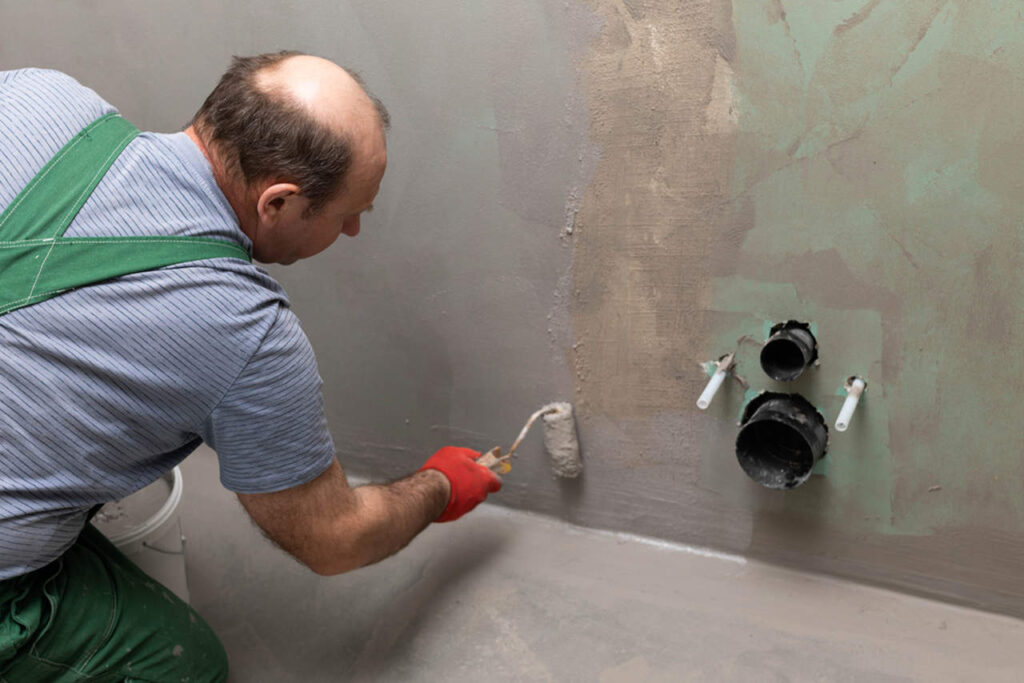
Quality repairs incorporate proper waterproofing systems. In wet areas like bathrooms, this means applying multiple layers of waterproofing membrane before tiling. For external walls and roofs, specialists use appropriate sealants and protective coatings designed to withstand Singapore’s climate extremes.
Preventative Maintenance Matters
Smart homeowners don’t wait for leaks to announce themselves. Regular inspections of vulnerable areas, particularly after heavy storms, catch problems early. Check silicone sealants around windows and bathrooms annually, and replace them when they show signs of cracking or separation. Clear roof gutters and downpipes regularly to ensure proper drainage.
For HDB residents, town councils conduct periodic inspections, but individual flat owners remain responsible for maintaining their units. Private property owners should schedule professional assessments every few years, particularly for aging buildings.
Taking Action Now
Water damage respects no delays. The moisture seeping through your ceiling today will cause exponentially greater harm tomorrow. When you notice signs of water intrusion, whether dampness, discoloration, musty odours, or actual dripping, immediate professional assessment becomes essential. Quick intervention in leakage repair not only protects your property’s value but safeguards your family’s living environment for years to come.
